What the technician needs on arrival
A direct description of the overflow. Point out the first fixture affected and explain which appliance or flush triggered it. Mention whether the water has stopped rising since fixture use was stopped.
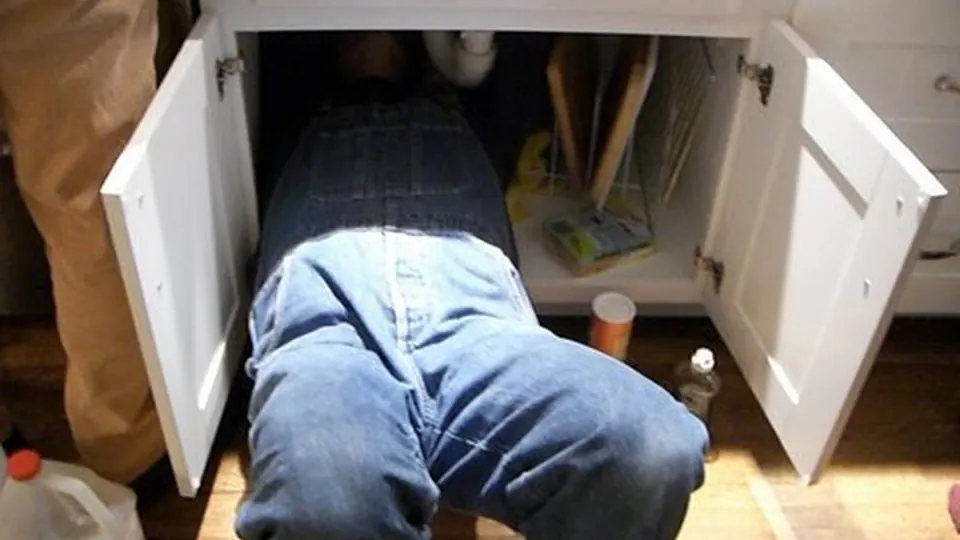
Safe access to the problem. The technician needs a clear route to the affected area and any known cleanout. Keep pets away and identify wet areas near electrical equipment. Do not move into a hazardous area to prepare the visit.
The recent service history. Previous root findings, a known broken section or repeated cleaning can change which access and method are useful. Chemical products already used must also be identified before work opens the line.
An agreed initial scope. The immediate task is to locate and clear the affected route. If another entry point, inspection or repair evaluation becomes necessary, the finding and added work need explanation before proceeding.
These details help the visit move quickly without replacing diagnosis with assumptions. The aim is to stop the current backup, check whether flow has been restored and leave a clear plan for any remaining problem. The urgency of the call does not remove the need to understand which line was serviced or why further work is recommended.