Check the cleaned route without promising more than it proves
A useful result identifies the inlet serviced, debris removed and connected line reached. If an outlet is accessible, observing discharge helps explain whether water is moving along the intended path. The test should be controlled so the work does not create another overflow or wash removed debris into a public system.
Does a clear pipe mean pooling is solved? Some limits only become clear after the line opens. Water can pass through a pipe while surface runoff still misses the inlet. A route can also carry a test flow without establishing that it will handle every storm. The technician should distinguish a cleared blockage from any remaining surface-flow, outlet or capacity question.
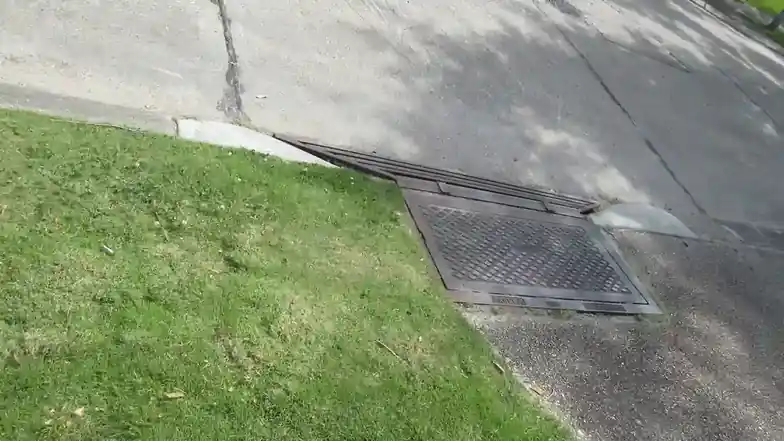
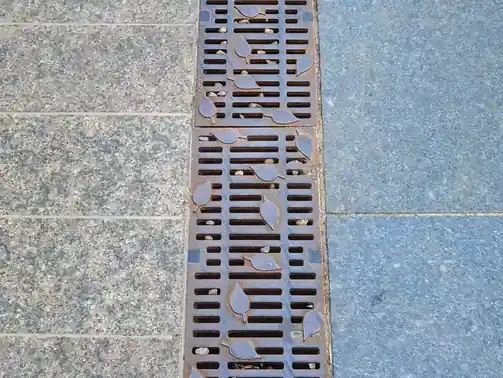
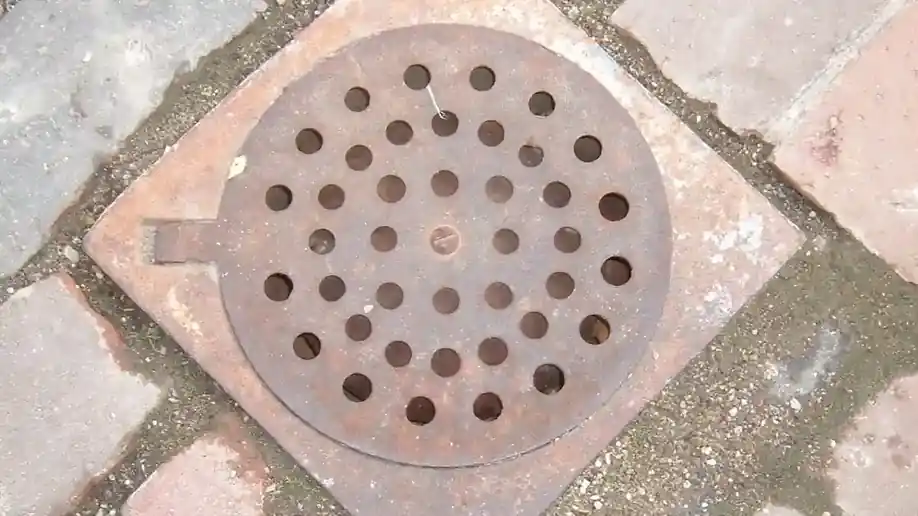
If several private grates join one buried line, ask which branches were actually cleaned. Opening the main outlet does not automatically remove material from every connected inlet. Conversely, cleaning a single catch basin does not establish the condition of the whole drainage network. A defined scope prevents misunderstanding about what was serviced.
Keep photos or notes of the accessible drain layout and any repair finding. If pooling returns, compare its location and timing with the earlier problem. A newly covered grate, renewed sediment, disconnected pipe and poor surface flow require different next steps. That comparison helps the next visit focus on the cause rather than simply repeat the same cleaning.
If repair or drainage redesign is proposed, it should identify the observed limitation and the intended change. Excavation, pipe replacement and surface work deserve their own clear scope. The cleaning visit provides evidence for that conversation; it should not turn a blocked private grate into an unsupported claim that every outdoor line needs replacement.