Drain Cleaning · Hydro Jetting · Camera InspectionCSLB C-36 LicensedServing Los Angeles & Orange Counties
Phone: [PHONE NUMBER]24/7 Emergency

Tree-Root Removal from Sewer Lines in Cerritos, CA

Roots found in the sewer, and the backup is back? Cerritos Drain Pro removes sewer root obstructions in Cerritos, CA. Service focuses on clearing the growth, restoring flow and explaining the affected section, including any entry point that still needs maintenance or a repair assessment.

Sewer Root Blockage ClearingRoot Entry Points AssessedCleaning & Repair Scope Explained

Open the root-blocked sewer and plan the follow-up

Will cutting the roots seal the pipe? No. Clearing removes growth inside the line; it does not close the opening that let roots enter. Your next decision follows the visible condition, previous root history and how often the blockage returns.

Call [PHONE NUMBER] or arrange service for sewer root removal in Cerritos, CA.

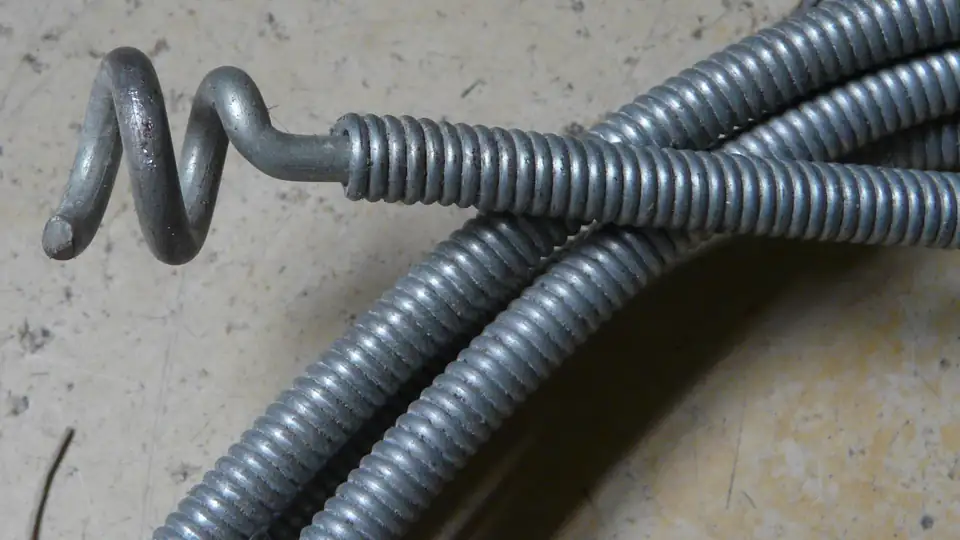
Close-up of a metal drain cleaning cable tip

Root Clearing for a Blocked Sewer Line

  • Share any recording or report that actually identified roots.
  • Describe which drains are backing up now.
  • Include earlier cutting, jetting or lateral repair details.

A nearby tree alone does not prove that roots are causing the backup. Inspection findings and service history help target the obstruction. Stop connected water use if sewage is rising while you arrange clearing.

Cutting that growth can reopen the pipe. It does not close the entry point. That distinction explains why root removal sometimes becomes a maintenance task and sometimes leads to a repair recommendation. The opening, surrounding pipe and backup history guide the maintenance or repair choice.

Not every repeated sewer clog is caused by roots. Grease, wipes, deposits and pipe damage can produce similar symptoms. A nearby tree and an older home are background details, not a diagnosis. Root material recovered during cleaning or growth visible inside the pipe gives a stronger basis for identifying the cause. Ask what evidence was found before approving root-specific work.

Confirm the affected section and the entry point

Which bathroom reacts first? Does laundry cause the lowest drain to rise? Was root material recovered at the last visit? The pattern and known cleanout locations narrow the affected route. Root material recovered during cleaning does not by itself identify the entry point; visible inspection may still be needed.

Mechanical clearing can recover root material as it opens the line. A camera view can then help show the entry point and surrounding condition when the pipe is accessible and visibility allows. Heavy standing water or a root mass can hide the area initially, so the inspection sequence follows the actual conditions.

Repair planning starts with where the roots enter. One reachable joint needs a different discussion from several damaged sections along the sewer. A camera and suitable locator can help establish the location; the proposal explains how it was checked. You can then review the affected section and repair purpose before deciding how much pipe work to approve.

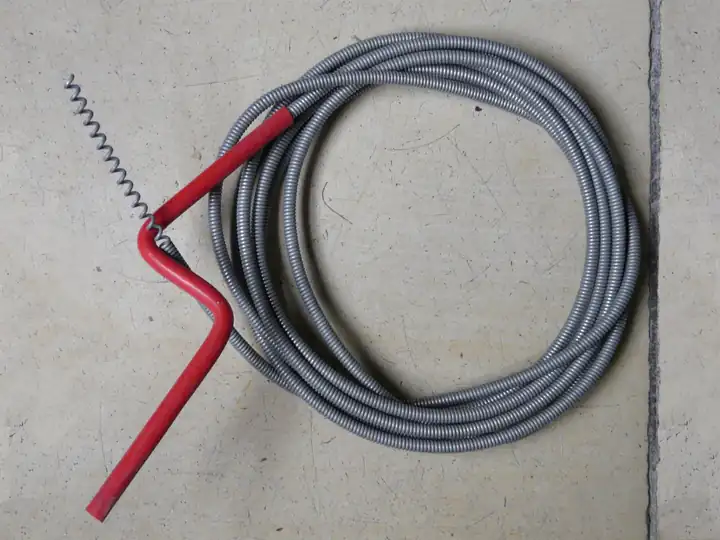
Coiled metal drain cleaning cable and red handle

What to Expect From Sewer Root Clearing

  1. Review the repeat pattern.

    The technician asks about earlier root findings and the time between backups. Existing footage and the last access point help focus the visit on the known concern.

  2. Reach the affected line.

    Suitable cleanout access and pipe condition guide the tool choice. A root obstruction inside a sewer needs a different working approach from surface roots near a patio grate.

  3. Remove growth inside the pipe.

    Mechanical cutting or another suitable cleaning method opens the wastewater route. Material encountered is part of the explanation. A blocked or damaged section that cannot be safely passed changes the next decision.

  4. Check the route and entry point.

    Flow is checked after clearing. A useful camera view can help show where roots entered and the condition around that opening. If visibility prevents that view, the limit is stated clearly.

  5. Choose maintenance or further evaluation.

    The next step follows the remaining pipe condition and service history. Some cases support planned cleaning; others need repair options considered. Neither the presence of a tree nor the discovery of roots alone determines how much pipe work is necessary. The recommendation should name the specific finding that makes the proposed work worthwhile.

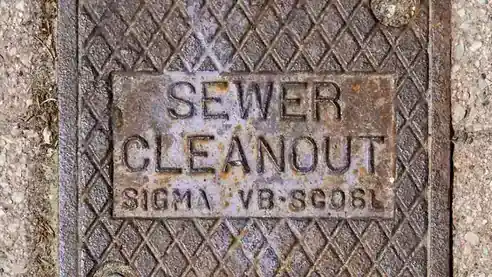
Outdoor sewer cleanout cover in a paved area before a line inspection.

Clearing today and planning for tomorrow

Mechanical root cutting removes growth inside the line and reopens a path for wastewater. Hydro jetting can remove remaining debris from a suitable pipe. Neither cleaning method seals a pipe opening. If a defect is visible, we explain the condition and discuss the appropriate next step without turning every root blockage into an automatic replacement recommendation.

A tree near a sewer line does not prove roots are inside the pipe. Root material recovered during cleaning or growth visible on camera gives the diagnosis a clear basis. The next question is where roots entered and what the surrounding pipe looks like. Camera inspection helps with that decision.

Root cutting, jetting and the repair decision

Method or next stepWhat it addresses
Mechanical root cuttingA suitable cutter removes growth from inside the line and reopens space for wastewater. The tool needs to match pipe size, access and condition. Larger equipment or repeated force is not a substitute for understanding a damaged section. A badly broken or collapsed pipe can require a different route to resolution.
Hydro jettingHydro jetting can wash remaining debris and some root material from a suitable line. It cleans the pipe but does not seal the entry joint. Before the work, the technician explains the material targeted and how drainage will be checked, followed by a discussion of maintenance or repair for the opening that remains.
Maintenance or repair evaluationIf the line is usable and maintenance can manage the condition, a planned cleaning approach deserves discussion. If a defect allows frequent blockages or the pipe cannot carry waste reliably, repair evaluation becomes more important. The choice should connect the visible condition with the service history. Camera inspection helps document those facts before a major scope is approved.

Request Sewer Root Removal

What a root-maintenance plan should actually say

Document the entry and condition

Your root-maintenance plan identifies the entry section, growth removed and remaining pipe condition. The recommendation then explains whether scheduled clearing can manage the problem or visible damage calls for repair evaluation. Previous intervals and current findings help decide when another check makes sense.

Review earlier service intervals

Past service intervals provide context. If backups have become more frequent, the change deserves evaluation rather than automatically shortening the cleaning schedule. The cause could include remaining growth, debris caught at the same opening or worsening pipe condition. A current view can help establish what has changed when access permits.

Recognize the limits of maintenance

Maintenance also has limits. Cutting roots repeatedly does not close the opening, and keeping wipes out does not rebuild a joint. Good household habits reduce material that can catch, while the pipe condition determines the longer-term route. A plan should explain both parts so a temporary opening is not mistaken for a structural fix.

Know when to call again

At the end of the visit, ask which symptom should trigger another call and whether a repair assessment should be arranged before the next backup. Keep the answer with any footage or written findings. Where evidence points to a city-owned parkway tree in Cerritos, consult the municipal tree-root claim procedure before discarding documentation. The city reviews claims; nearby trees do not establish liability. That record supports a decision about this line, instead of relying on a general claim about tree roots in Cerritos.

Earlier lateral work helps target the root inspection

Cerritos' housing element documents the city's substantial 1960 to 1979 construction period. For a repeat root-related backup, ask whether the property's sewer connection was later repaired or replaced. A repair record can identify a section or joint worth checking against current root findings. The root diagnosis comes from recovered growth or a useful camera view; the housing history helps organize that investigation without identifying a pipe defect by itself.

The Stanton drain cleaning page provides local context for private lines and recurring root trouble.

Root findings near a Cerritos parkway tree

Cerritos publishes tree-care information for its city trees and lists Public Works as a contact. If proposed sewer work involves a city-owned parkway tree, consult the city first. Cerritos publishes separate parkway tree removal procedures. Clearing growth inside the sewer and changing a tree outside it are separate decisions.

The sewer assessment first needs the root entry point and surrounding pipe condition. Growth visible in the pipe does not establish which nearby tree produced it. A located pipe defect gives the repair discussion a more useful starting point than the appearance of the yard.

Share previous lateral repairs, saved footage and any known route beneath landscaping. Those details help evaluate access and compare maintenance with repair options. If a repair would disturb paving, planting or a property boundary, the proposed scope should identify the area involved and any coordination needed.

What shapes the root-removal quote?

The entry point, reach, root density and condition of the pipe affect the work. A clear cleanout leading toward one root entry is different from difficult access with several areas to investigate. Initial clearing, additional cleaning and camera evaluation should be identified in the scope so the quote is understandable.

What should the root-removal quote specify? Ask whether the proposed service only cuts roots to restore flow or also includes an inspection of the suspected entry point. Ask what happens if the equipment cannot pass a damaged section. A root-clearing price should not be treated as a quote for structural repair, and a repair estimate should say which finding supports it.

For a recurring problem, compare the likely maintenance approach with an evidence-based repair discussion. That does not require inventing a fixed life for the cleaning. Root regrowth and service needs differ by line. A useful explanation tells you what condition remains after the visit and which symptoms should prompt another call.

Frequently asked questions

Will roots grow back after cleaning?

They can if the entry point remains. The timing depends on the line and conditions. Inspection findings help determine whether maintenance or repair is the better long-term conversation.

Do I need to remove the tree?

A root in the sewer does not automatically mean the tree should be removed. First identify the pipe defect and discuss options for the line.

Does a recurring backup prove root intrusion?

No. Grease, retained debris, offsets and damaged pipe can produce similar symptoms. Evidence from clearing or inspection is needed.

Can root growth be present without a complete blockage?

Yes. Roots can partly narrow the line and catch waste before a full stoppage develops. Symptoms can be intermittent. The diagnosis still needs evidence from clearing or inspection rather than a guess based on one slow toilet.

Will chemical root treatment replace cleaning?

A treatment is not a substitute for opening an active blockage or repairing a damaged pipe. Product use and suitability require professional evaluation. Tell the technician about anything already added to the sewer before cleaning begins.

Does a root ball mean the whole sewer needs replacement?

Not automatically. Its entry point and the condition of the surrounding line determine which repair options deserve evaluation. A full replacement proposal should explain why a smaller scope would not address the findings.

How soon will roots return?

There is no reliable interval for every property. The opening, growth and condition of the line matter. A maintenance recommendation should be based on documented history and the condition left after cleaning, not an unsupported permanent-clear promise.

What does a proposed repair need to locate?

A useful repair scope identifies the pipe section where roots entered and the condition around that opening. Surface landmarks, inspection distance and any locator findings help explain where the work is proposed. Confirm the access area before a plan involves paving, landscaping or a boundary.

The tree's position alone cannot identify the exact damaged joint or prove which tree supplied the roots. The pipe finding needs its own location. Keeping those details clear helps compare a focused repair with broader replacement proposals and makes any discussion with the city about a parkway tree more practical.

What should I include when booking sewer root removal?

Previous root findings are especially helpful. Include the last cleaning date, how quickly the backup returned and any available camera recording. If a parkway tree or public-area connection is involved, mention the known location without disturbing the tree or public covers. Inspection findings guide the work on the private line.

Book Sewer Root Removal in Cerritos

Clear the root blockage and find out what comes next. Call [PHONE NUMBER] or View contact details for sewer root removal in Cerritos, CA. Earlier footage and cleaning dates help focus the visit. The technician explains the clearing, remaining entry point and practical follow-up options.

Request Sewer Root Removal
Find a serviceView contact details