
Understand the Drain Pipe at Your Property
Pipe material affects which cleaning methods fit the job. Clay, cast iron, fiber pipe and plastic also need their present condition checked. At Cerritos Drain Pro, the recommendation accounts for the obstruction, access and visible findings, with any separate repair assessment explained before further work.
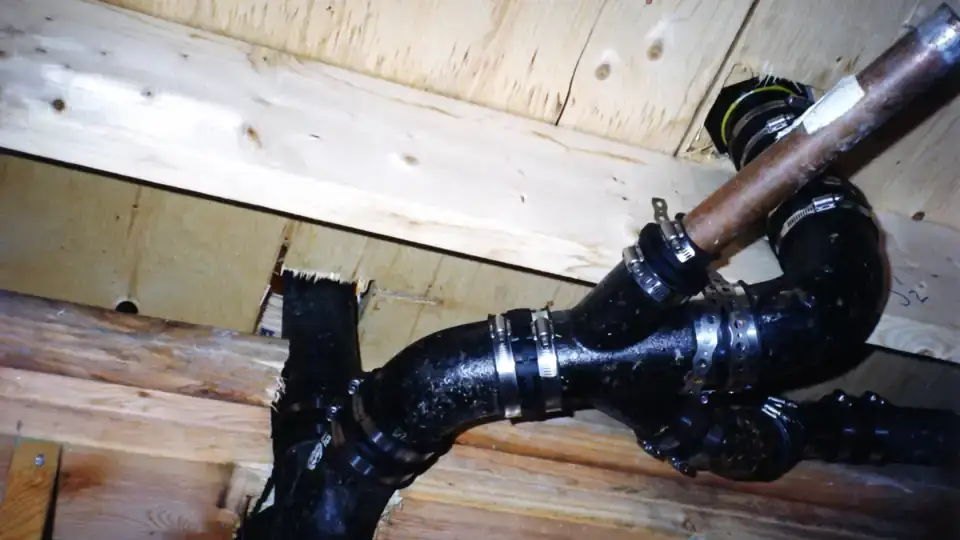
House age is a starting question
The Cerritos Housing Element reports that 84 percent of the housing stock described in its 2021–2029 plan was built between 1960 and 1979. That is useful context for asking about later remodeling and drain replacements. It does not identify the current material under a particular yard.
A home can have replacement plastic branches connected to an older buried lateral. A fixture visible inside a cabinet also tells you little about the material farther downstream. Gather repair records and any earlier inspection before assuming the whole route was installed at one time.
Vitrified clay
Clay sewer pipe is made in sections. A service assessment looks at the joints, visible cracks, alignment and material inside the line. Roots can enter an available opening and catch paper or debris, but a root finding still needs its location documented. A nearby tree alone does not establish the cause of a backup.
Cleaning can remove a root mass or another obstruction without changing an open joint. A maintenance recommendation therefore needs to explain both what was removed and what remains. Lining or replacement suitability depends on the route and defect; neither is automatically the right answer for every clay line.
For an obstruction involving root entry, see sewer root removal.
Cast iron
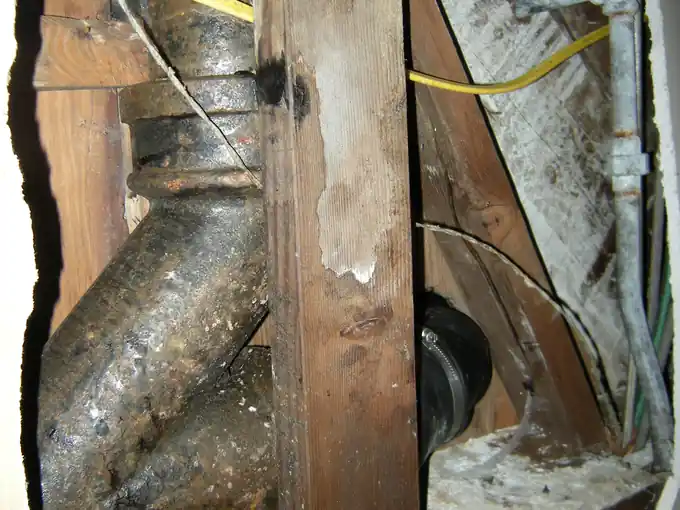
Cast iron drains can develop rough interior deposits and corrosion. Those are related observations, but removable buildup and lost pipe wall are different conditions. Repeatedly opening a small channel through deposits is different from a complete cleaning of a suitable section.
Pipe descaling addresses attached buildup when the actual pipe supports the work. Cleaning does not close a hole or restore a collapsed section. Ask the technician to identify the inspected length, deposits and visible defects instead of assigning a fixed replacement date from the house's age.
Orangeburg and other fiber pipe
Fiber-bituminous pipe needs particular care when material or deformation is suspected. Flattening, loss of shape and restricted openings can change which tools are appropriate. Share any previous report naming the material before another aggressive cleaning attempt.
A label based on a neighborhood or construction decade is not confirmation. Inspection and available records help establish what is actually installed. If a line is distorted or structurally compromised, repair options require their own assessment rather than a promise that cleaning will restore its shape.
ABS and PVC
Plastic drains do not have the same metal-corrosion mechanism as cast iron, but they can still contain grease, hair, wipes or debris. Poorly aligned connections, damaged sections and inadequate slope can also affect flow. Plastic material is not a guarantee that a recurring problem is only a simple clog.
Suitable cleaning is chosen for diameter, access and condition. If standing water remains in a section after the obstruction clears, the technician explains what the view shows and whether further assessment is needed. A new plastic repair can also connect to older material elsewhere on the same route.
Galvanized pipe and the supply/drain distinction
Visible galvanized metal can belong to a water-supply system or a drain arrangement. The complaint matters: weak incoming flow is different from a full basin that empties slowly. Drain cleaning addresses the path leaving the fixture; it does not correct every supply-pressure or faucet problem.
Say whether discoloration appears in water coming from the tap or in standing wastewater returning from a drain. Those are different observations. Keeping them separate helps prevent the wrong component from becoming the focus of the appointment.
What a camera can establish
A camera inspection documents the visible interior along the route reached. It can show connections, roots, deposits, standing water and some defects. A blocked or water-filled section can limit the view, and the camera does not directly measure every hidden wall thickness.
Ask where the recording begins and ends. A useful report identifies the inspected section and the limits of the view. It should not present one accessible segment as proof of the condition of every pipe under the property.
Compare cleaning and repair on the same evidence
Before approving additional work, identify the affected section, the finding and the purpose of the recommendation. Cleaning removes material. Repair addresses a defect. A mixed plan should explain each task and its expected role, with a clear scope and price.
Read hydro jetting versus snaking and why drains clog to compare methods and causes. If wastewater is actively entering the home, stop using connected fixtures and arrange help before trying to investigate the material yourself.
Frequently asked questions
Can the construction year prove my sewer material?
No. It supports questions about original work and later alterations. Records, visible access and inspection findings establish the installed route more directly than a construction date.
Does a plastic line eliminate root problems?
No material label guarantees an intact route. Roots need an opening to enter, so the condition of joints, connections and damaged sections still matters. A root finding needs its actual location documented.
Can cleaning repair a low spot or shifted joint?
Cleaning removes an obstruction or suitable deposits. It does not change the route's slope or move a joint back into alignment. A visible defect needs a separate discussion about repair and access.
Should every old pipe be replaced?
Age alone does not answer that. The decision needs the observed condition, complaint, access and repair options. A functioning older section and a visibly damaged section are different situations.