Before the visit and after the sink clears
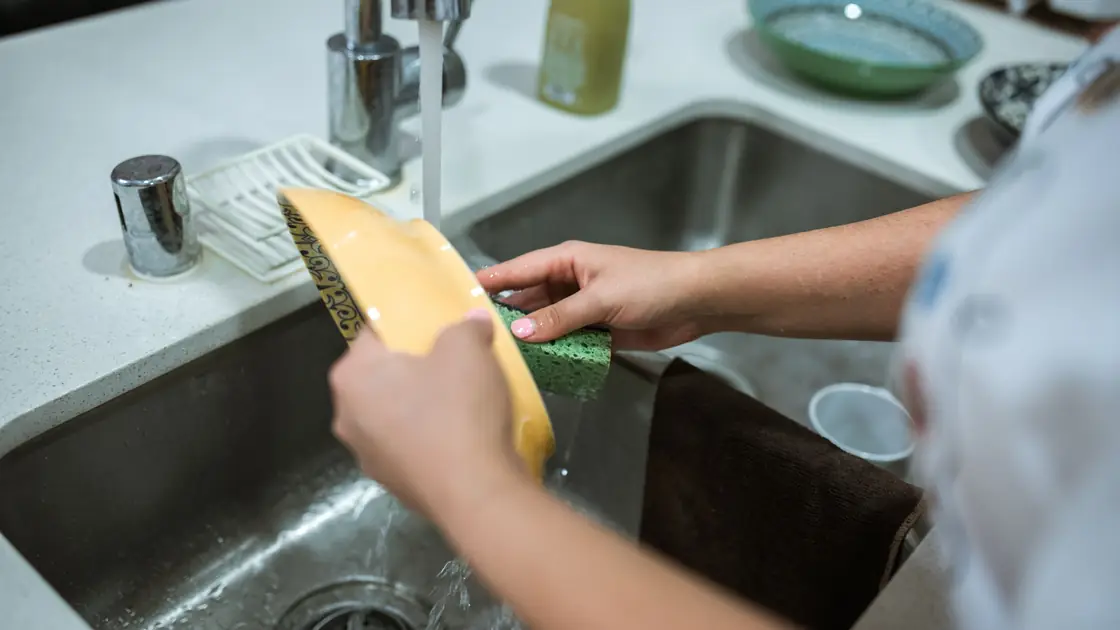
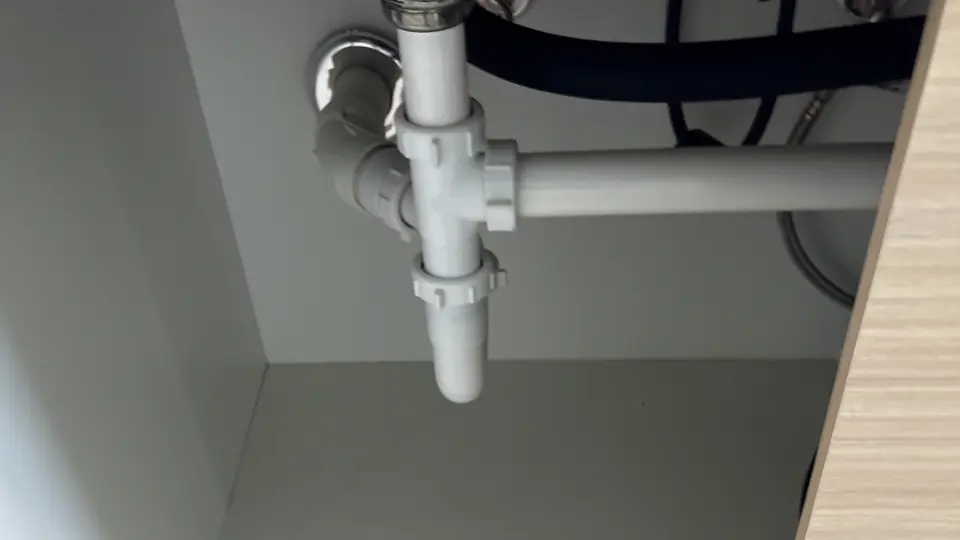
Stop the dishwasher if its discharge is filling the sink. Avoid running the disposal repeatedly into standing water. Clear dry items from under the cabinet so the trap and branch connection are reachable. Keep towels and belongings away from an active leak, and tell the technician about any chemical drain opener already used. Leave filled or leaking pipework in place until the work area is ready.
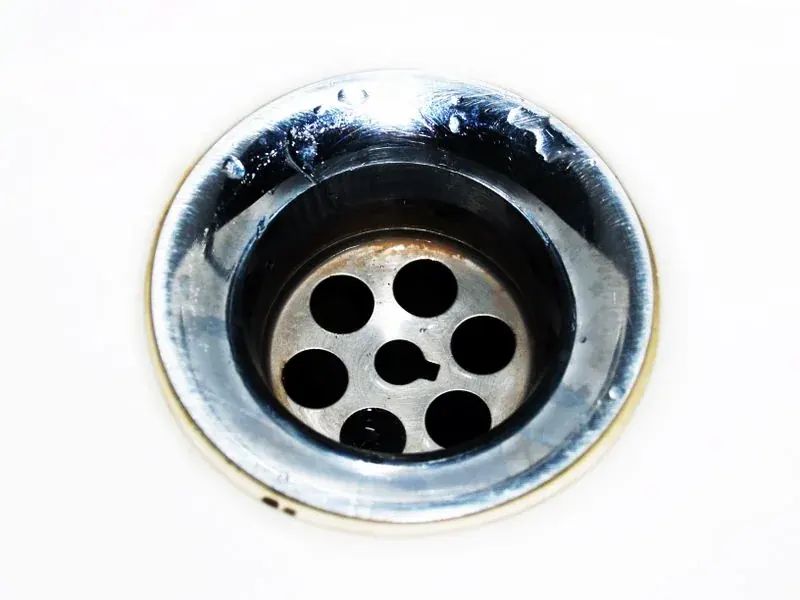
After cleaning, scrape plates before washing, collect cooking fat in a suitable container and put cooled grease in the trash. The disposal can handle appropriate small food residue according to its instructions; it should not be treated as the main route for meal scraps. A sink strainer helps catch pieces before they reach the trap.
If the drain slows again, note how long the improvement lasted and whether the same activity triggers the backup. A sink that blocks after every dishwasher cycle tells a different story from one that has gradually slowed over months. That record helps the next visit address a remaining cause instead of starting from the beginning.