Drain Cleaning · Hydro Jetting · Camera InspectionCSLB C-36 LicensedServing Los Angeles & Orange Counties
Phone: [PHONE NUMBER]24/7 Emergency

Cast Iron Pipe Descaling in Cerritos, CA

Same drain clogging after repeated clearing? Attached deposits inside cast iron can leave a rough, restricted path that catches more waste. Cerritos Drain Pro assesses pipe descaling in Cerritos, CA, using the actual pipe condition and available access to decide whether deposit removal fits the problem.

Attached Deposit RemovalCast Iron Condition AssessedDescaling Scope Explained

Clear attached buildup from suitable cast iron drains

Does descaling repair damaged pipe? No. Removing deposits and repairing a cracked wall or displaced joint are separate jobs. Review the section needing cleaning, the proposed method and any remaining damage before approving further work.

Call [PHONE NUMBER] or arrange service for pipe descaling in Cerritos, CA.

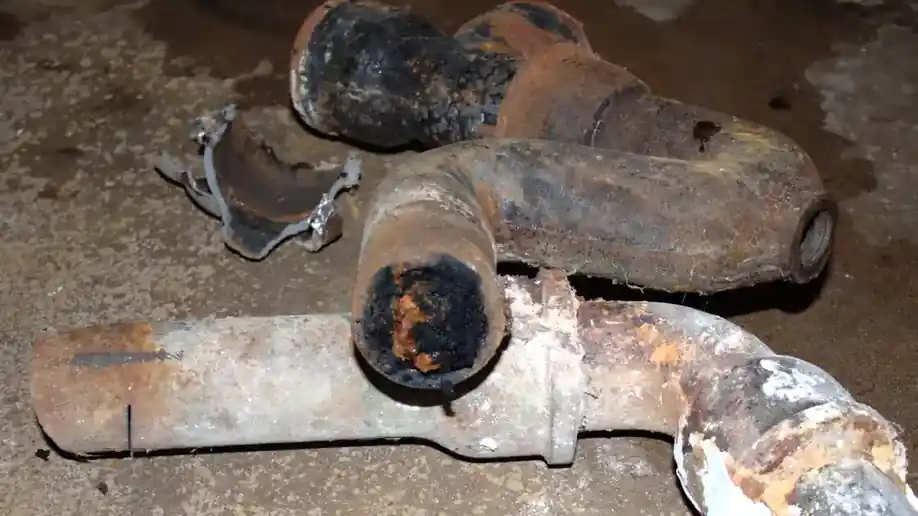
Removed cast iron waste pipe sections with a visible blockage, illustrating pipe descaling in Cerritos, CA.

Descaling Service for Attached Drain Deposits

Finding in the drainNext service decision
Attached deposits on suitable cast ironWhether deposit removal can improve the restricted path.
Crack, displaced joint or damaged wallA separate pipe repair assessment; cleaning does not mend the defect.
Material or condition not establishedReview the accessible line and earlier footage before recommending descaling.

Cast iron deposits can include corrosion products as well as mineral residue. Removing attached buildup is a different task from correcting a weakened or broken pipe wall. Previous footage and the accessible pipe condition establish the cleaning target; the home's age alone cannot confirm the material or its remaining strength.

That is different from opening a channel through a soft clog. A cable can restore an opening without removing a coating from the surrounding wall. If that coating is responsible for repeated restrictions, a more complete cleaning deserves consideration. If the real problem is a shifted connection or a damaged bottom, removing deposits will not correct it.

Descaling starts with the affected pipe: its material, the deposits attached to it and the condition beneath them. Those findings determine whether deposit removal suits the line. Construction history adds context, while inspection establishes the section and buildup being considered for cleaning.

Signs that call for a closer look

Recurring drainage symptoms

A drain that clears and then slows again needs its history checked. Tell the technician whether the same fixture is affected each time, whether several rooms react together and whether the earlier service reached a branch or a main line. Those details help identify the section that needs investigation.

Different causes of repeat clogs

Repeated clogs can come from grease, roots, remaining debris or pipe damage as well as attached deposits. Inspection helps separate those findings before descaling is proposed. Dark residue and drain odor need their own evaluation; neither measures the remaining cast iron wall or establishes how much material can safely be removed.

Earlier inspections and cleaning history

An inspection becomes especially useful when different cleaning attempts have produced only brief improvement. Keep the earlier invoice or video available. Knowing the access used and the length inspected helps avoid treating a different section as though it has already been checked.

Inspection before selecting equipment

The visit starts with accessible pipe information and the pattern of drainage. A camera inspection can show deposits, visible openings, connections and areas where water remains. If standing wastewater or a blockage prevents a useful view, the initial task can be to reopen enough of the route to inspect it.

The technician explains what the view establishes and what remains out of sight. A camera is a visual inspection; it does not directly measure every hidden wall thickness or reveal the outside of a buried pipe. A clear explanation distinguishes a visible finding from a conclusion requiring additional investigation.

Known previous repairs matter too. A line can contain cast iron, plastic replacement sections and couplings within the same route. The cleaning plan follows those actual transitions. It should not assume that every part of the system matches the material visible under one sink.

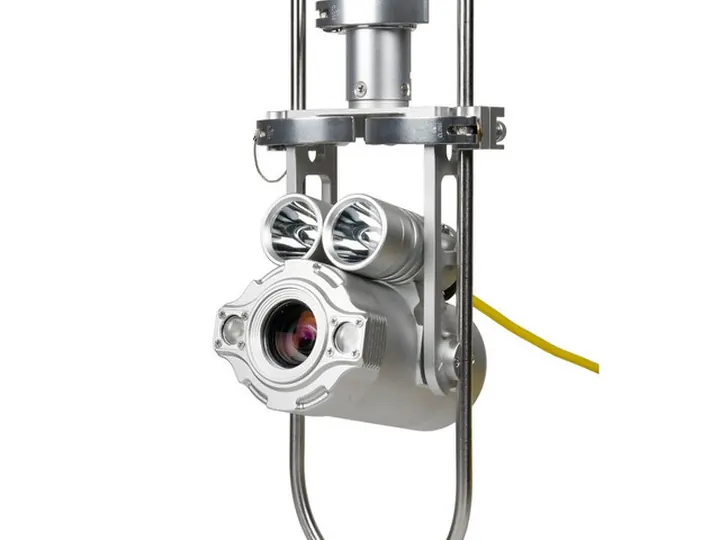
Metal pipe inspection camera head isolated on white

Your Pipe Descaling Appointment

  1. Identify the section and access

    The technician establishes which branch or sewer section is causing the restriction. An available cleanout, removed fixture or other suitable service opening determines how the equipment reaches it. Access requirements and any separate removal or repair work are explained before proceeding.

  2. Explain the finding and scope

    You receive an explanation of the deposits, the proposed method and the section included in the quote. Ask whether inspection, debris removal and the final drainage check are included. A full-house description should not replace a specific account of the line being serviced.

  3. Remove suitable attached deposits

    Mechanical cleaning is matched to pipe diameter, material and condition. The work targets buildup while managing loosened material along the route. Manufacturer guidance and the inspected pipe determine tool selection; the strongest attachment is not automatically the appropriate attachment.

  4. Clear debris and review the result

    The line is flushed or otherwise cleared using an approach suited to the job. Follow-up inspection and controlled fixture use help establish what was cleaned and how the serviced route performs. Any remaining visible defect is explained separately from the cleaning result.

Request a Descaling Assessment

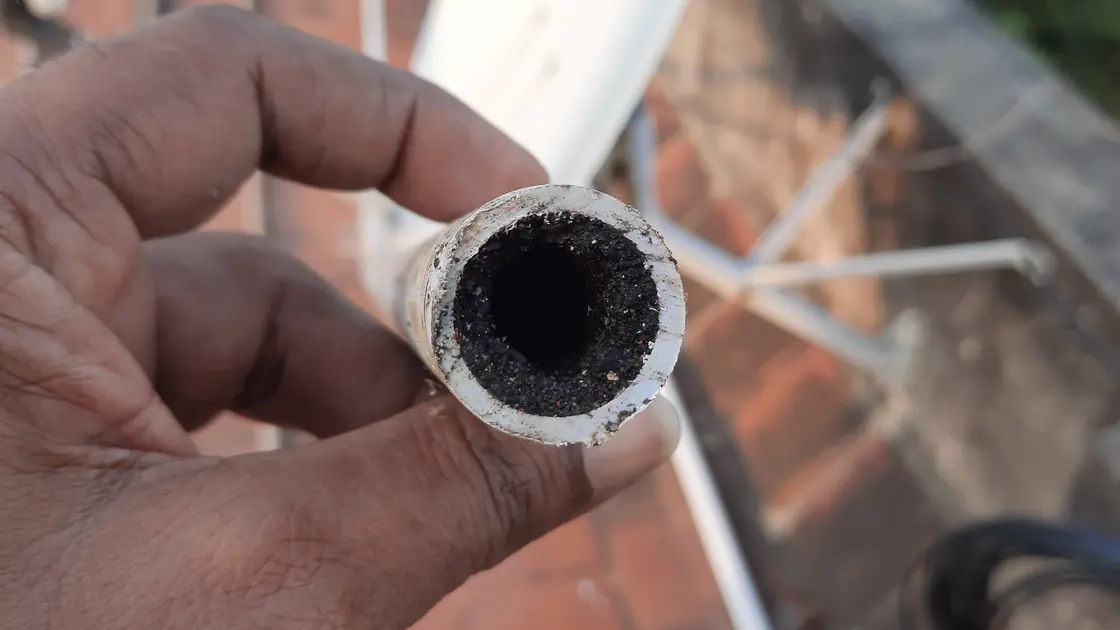
Cross section of a water supply pipe with mineral scale narrowing the opening.

Descaling, hydro jetting and ordinary snaking

Different cleaning purposes

These services answer different cleaning needs. Snaking can be a direct way to reopen a localized obstruction. Hydro jetting uses pressurized water to move and wash suitable buildup. Mechanical descaling targets attached deposits that require more than opening a narrow passage through the restriction.

Combined methods

The methods can be combined when the pipe and access support them. A cleaning plan should explain why one method is sufficient or why another adds useful work. A fixed pressure number or a tool brand is less important to the homeowner than the reason the selected method fits the inspected line.

Read the hydro jetting versus snaking guide for a straightforward comparison. When the cause is still unclear, drain camera inspection helps focus the decision on visible conditions instead of repeated assumptions.

Useful Cerritos context, without guessing your pipe

The Cerritos 2021–2029 Housing Element reports that 84 percent of the housing stock described in the plan was built between 1960 and 1979. That history makes later bathroom alterations, kitchen remodels and partial drain replacements useful information at a service visit. It does not establish the material or remaining condition of your particular drain.

The city's 2025 Annual Water Quality Report lists groundwater hardness averaging 180 mg/L as calcium carbonate, with a range of 170–200 in the 2024–2025 test results. This is dated water-source context, not a measurement of deposits in your sewer. A drain carries mixed wastewater, so the cleaning recommendation still rests on the line findings.

For an older Cerritos property, gather records showing replaced sections or earlier camera work. A remodeled kitchen can retain an older downstream branch. A new fixture does not necessarily mean a new route to the sewer, and an original-looking room does not prove that its buried drain remains original.

When repair needs its own discussion

Cleaning is not structural repair

Cleaning removes material; it does not rebuild a pipe wall. A visible hole, displaced connection, collapsed section or persistent low spot calls for an explanation of the defect and the available next steps. The first decision is what the cleaning can accomplish in the section being examined.

Repair or lining assessment

Repair and lining suitability require their own assessment. The route, access, dimensions, connection condition and extent of damage all affect the options. A line should not receive a promised additional lifespan simply because it has been cleaned. Ask what finding supports a maintenance approach and what would justify a repair instead.

Leak concerns

The same distinction applies to leaks below a floor or slab. Improved drainage does not prove a leak has been repaired. If leakage is part of the complaint, keep it in the service scope so the final explanation covers both flow and the suspected escape of water.

For a returning restriction that involves root entry rather than attached deposits, see sewer root removal.

What affects a descaling quote

The quoted work reflects the section reached, its length and diameter, access and the deposits encountered. A reachable branch and a longer buried route are different jobs. Mixed materials or limited visibility can also change the investigation needed before a cleaning method is chosen.

What is included in the descaling estimate? Ask for a scope that separates inspection, access work, cleaning, debris removal and any proposed repair. Confirm how the result will be checked. If the assessment reveals a condition that changes the plan, the technician explains that change and the revised price before additional work.

The drain cleaning cost guide helps you compare these parts of a quote. Published price ranges cannot tell you whether the right line is included; the description of the work is what makes competing estimates useful to compare.

Preparing for the appointment

Move stored items away from an accessible cleanout or the affected fixture when the area is dry and safe. Tell the service team about pets, gates, parking restrictions and any access inside a tenant's space. These details help organize the visit without adding unnecessary disruption.

Mention drain chemicals, previous root treatments and any recent appliance or fixture changes. Do not open a sewage-filled cleanout to make access easier. Trapped wastewater can discharge before the equipment is ready, and opening the cap is not a required homeowner preparation step.

If wastewater is already rising through several fixtures, stop adding water to the connected route. A scheduled descaling discussion becomes a backup assessment first. Emergency drain service explains the immediate steps for that situation.

After the line has been cleaned

Ask which section was reached, what was removed and what the final inspection or drainage check showed. Keep that information with the invoice and any available recording. It creates a useful baseline if a symptom returns and helps the next visit start with what is already known.

Maintenance should address the documented problem. Keep cooking fats and wipes out of the system, and use suitable hair catchers at fixture openings. A water-treatment purchase is a separate decision; it is not a substitute for assessing a damaged or restricted wastewater pipe.

If another cleaning interval is recommended, ask why that interval fits your line. A condition-based plan explains the earlier buildup and the purpose of returning. It should not rely on the age of the city, a neighbor's repair or a promise that every cast iron drain needs identical annual work.

Frequently asked questions

Will descaling fix a cracked cast iron pipe?

No. Descaling removes suitable deposits from the interior. A crack, hole or displaced connection needs a separate repair assessment. Cleaning and repair can be parts of one overall plan, but they are different tasks with different results.

Does a recurring clog mean I need descaling?

It means the cause needs a closer look. Deposits are one explanation; roots, grease, a missed restriction and pipe condition are others. Describe how soon the clog returned and what the previous work included before choosing another method.

Is descaling safe for every old drain?

The cleaning method must suit the actual pipe and its condition. An old drain with suitable deposits and a serviceable route is different from a line with visible wall loss or collapse. The assessment and equipment choice come before a cleaning commitment.

Will walls or floors need to be opened?

Descaling is often performed through an existing suitable service opening. If access is missing or a defect requires repair, that is explained as a separate scope. The visit establishes the route rather than guaranteeing that every property has convenient access.

How long will the improvement last?

The result reflects the material removed and any condition that remains. A service report can describe the cleaned section and its drainage performance. It cannot establish a fixed number of extra years for an entire buried system from cleaning alone.

What should I include when booking cast iron pipe descaling?

Earlier camera footage can show whether the affected section is cast iron and where deposits were seen. Include how long previous cleaning helped and any known replacement sections. The assessment checks the actual material and condition before selecting equipment, especially where an older route contains later plastic repairs.

Book Cast Iron Pipe Descaling in Cerritos

Find out whether attached deposits are behind the returning clog. Call [PHONE NUMBER] or View contact details for a pipe-descaling assessment. Bring earlier footage or cleaning records when available. The recommendation identifies the suitable section, removable buildup and any defect needing a separate repair discussion.

Request a Descaling Assessment
Find a serviceView contact details