Drain Cleaning · Hydro Jetting · Camera InspectionCSLB C-36 LicensedServing Los Angeles & Orange Counties
Phone: [PHONE NUMBER]24/7 Emergency

Washing Machine Drain Cleaning in Cerritos, CA

Washer pumps out and water spills onto the floor? Cerritos Drain Pro clears washing-machine drain restrictions in Cerritos, CA, including blocked standpipes and connected laundry branches. Stop the cycle and book service before another discharge adds water to the overflow.

Washer Standpipe ClearingPump-Out Overflow ChecksShared Laundry Drain Service

Stop laundry drain overflow before another load

Water escapes from the standpipe, not the washer? The receiving drain needs checking. A leaking hose or water left inside the appliance calls for a different first look. Describe the escape point and any nearby drain that rises at the same time.

Call [PHONE NUMBER] or arrange service for laundry drains in Cerritos, CA.

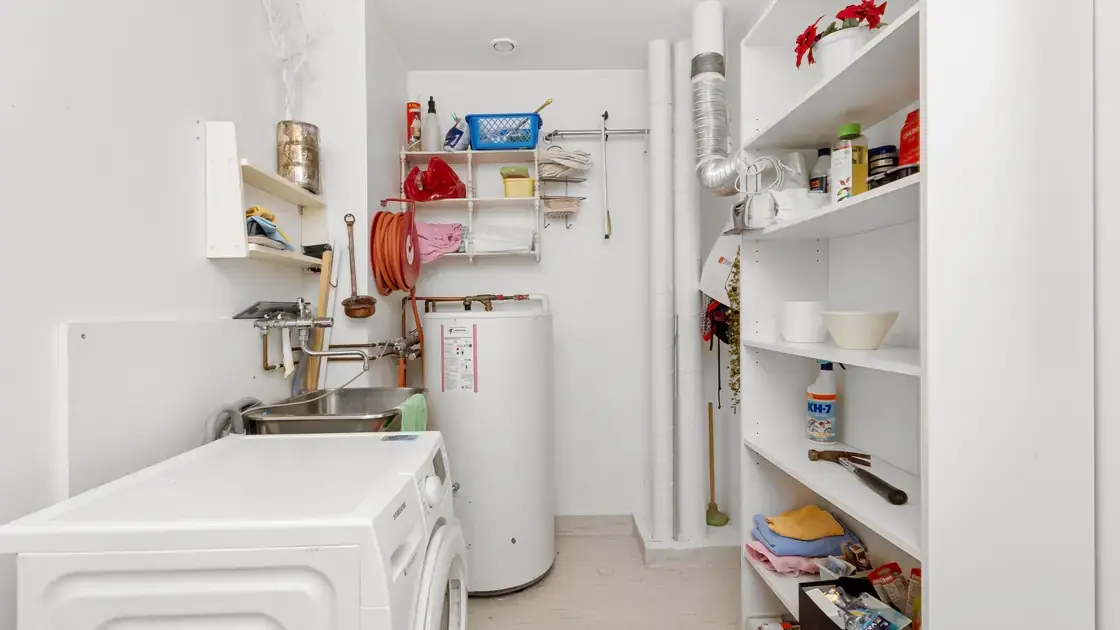
Washing machine and utility shelving in a residential laundry room, illustrating laundry drain service in Cerritos, CA.

Laundry Drain Service for Standpipe and Shared-Line Backups

Common laundry drain symptoms

  • Standpipe overflows while the washer pumps out.
  • Laundry discharge brings water up through a nearby floor drain.
  • A recently moved washer or changed hose connection preceded the problem.

What the service distinguishes

Include the point where water first appeared and whether the bathroom reacted too. Clearing focuses on the receiving drain when it is restricted. The technician separates that work from a hose, setup or internal appliance fault and checks the serviced path afterward.

Clearing uses access suited to the receiving drain, followed by a check of the overflow pattern. Hose configuration and recurring buildup findings are explained before any added work. If the washer isn't pumping water out of the drum, its appliance components need separate attention.

Why the laundry standpipe overflows during pump-out

A washer releases water quickly when its pump runs. The standpipe, trap and branch must carry that flow away. A partial restriction can accept a slow trickle yet overflow during the discharge cycle. That explains why the laundry can appear fine until a particular part of a wash cycle sends water onto the floor.

Lint, residue and foreign material can collect along the drain path. The hose setup also matters: its position and connection must suit the appliance and plumbing installation. An improvised sealed connection or a hose pushed too far into the standpipe deserves a setup check rather than another blind attempt to force water through.

Not all laundry water problems are drain blockages. A leaking supply hose, appliance leak or failed washer pump can create different symptoms. Water spilling from the standpipe during pump-out points toward the receiving drain. A wet supply hose or water remaining in the drum calls for separate appliance or supply-side assessment. The relevant drain service should identify the standpipe and connected branch rather than treating every laundry leak as a clog.

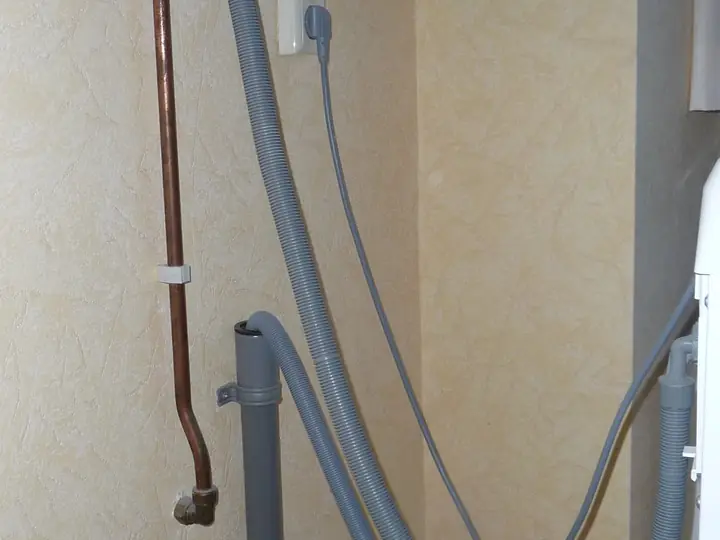
Washing machine hoses and drain connection mounted on a laundry room wall.

Check the standpipe, trap and shared branch

The standpipe is the upright drain opening receiving the washer hose. Its trap holds a water seal, and the connected branch carries the discharge downstream. The technician follows that route and checks available access instead of assuming the washer needs replacing because water appears during a cycle.

Tell the service team whether a utility sink or nearby floor drain also rises. When another opening reacts, the restriction can be farther along the shared branch. If the washer retains water without sending much discharge into the standpipe, the appliance's pump or internal path also needs consideration. That distinction keeps drain cleaning focused on a drainage problem.

Intermittent overflow is still useful evidence. Note which cycle, how quickly water appears and whether a previous cleaning changed the symptom. A short video recorded from a safe location can help describe it, but there is no need to run another overflowing cycle for the appointment. The technician can plan a controlled test when the line and work area are ready.

Your Laundry Drain Cleaning Appointment

  1. Identify the escape point.

    The technician checks whether water comes from the standpipe, another drain, a hose or the appliance itself. The pump-out timing helps separate those routes.

  2. Check access and setup.

    The standpipe, hose arrangement and accessible branch are considered together. The service scope explains any need for another entry point or work beyond clearing a blockage.

  3. Clear the affected drain.

    Equipment is selected for the pipe and access available. If the branch is open but the setup needs correction, that becomes its own recommendation rather than another unexplained cleaning pass.

  4. Check discharge and connected fixtures.

    Testing considers the flow that caused the overflow when safe. The technician observes any utility-sink or floor-drain reaction that was part of the original complaint.

Before closing the visit, review the section cleared and any remaining washer or plumbing concern. This matters after a machine change or an earlier cleaning that did not hold. The result is explained against the original escape point, so you know whether the standpipe overflow was addressed and which separate fault still needs attention.

Request Laundry Drain Cleaning

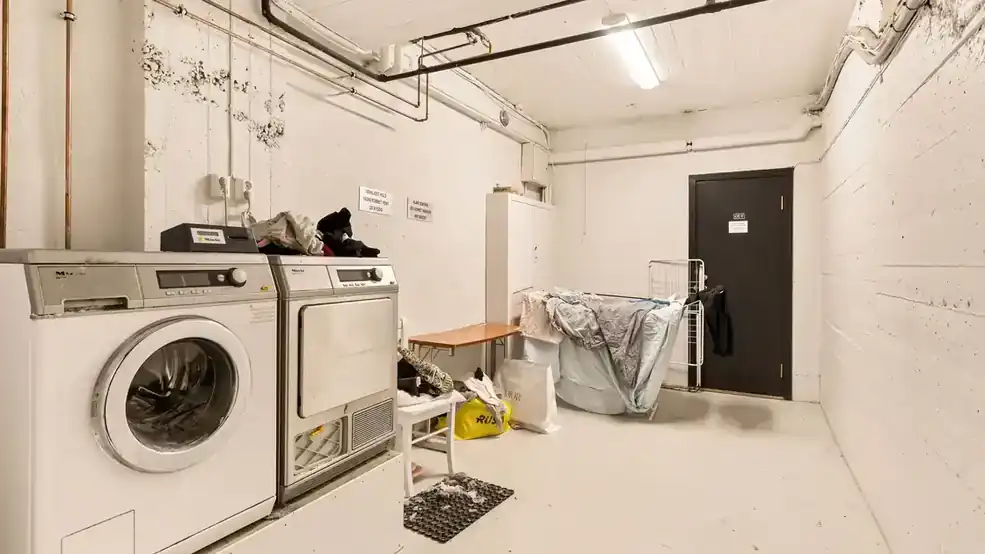
Washing machines and utility piping in a shared laundry room.

Choose the next step from the flow pattern

Branch blockage or setup problem

A branch blockage needs clearing through a suitable access point with equipment matched to that line. If the route is open but the hose or standpipe arrangement is wrong, installation correction deserves its own explanation. A damaged pipe is a different issue again. Cleaning is useful for removable material, not for rebuilding a failed connection.

Nearby fixtures also backing up

Utility sink or floor drain rises during pump-out too? Include both openings when booking. The connected wastewater branch can need floor-drain cleaning or sewer-line service beyond the standpipe. The check follows the shared route, including fixtures outside the laundry room, to find the restriction behind the overflow.

Recurring deposits or deeper problems

Repeated clogs can make inspection worthwhile when an accessible view would change the plan. Jetting can also be discussed for suitable lines with deposits, but it is not the automatic answer to every washer drain problem. The technician should explain what remains after basic clearing and why another method or setup check is needed before recommending additional work.

A flow test should match the laundry problem

Pump-out flow

A standpipe can pass a small amount of water and still overflow during washer pump-out. The final check therefore needs to consider the discharge that exposed the restriction. When it is safe and within the service scope, the technician observes how the cleared route handles that flow rather than relying only on a slow faucet trickle.

Neighboring fixtures

The test also checks the neighboring fixtures that reacted before service. If a utility sink filled during the original overflow, its response helps show whether the shared branch is carrying the load. A standpipe that stays dry while another drain rises has not necessarily answered the broader problem. The line route needs to be understood before the result is described.

Appliance-side fault

If the washer still does not empty, the appliance-side question remains. A clear drain cannot make a failed pump run. Likewise, a working pump can send water into a blocked standpipe. Keeping those findings separate helps you arrange the right follow-up instead of replacing a machine for a pipe issue or paying for repeated drain cleaning when the appliance is not discharging.

Ask what was removed and whether any configuration concern remains. A hose adjustment, pipe repair or further shared-line check should be explained as a specific task with its reason. Avoid changing hose position repeatedly without understanding the installation requirements; a setup that appears to stop one spill can create a different discharge or siphoning problem.

Keep the result with your laundry service history. If the overflow returns, note how many normal loads ran first and whether it happens at the same part of the cycle. That information helps distinguish a drain that was not fully cleared from fresh material, a continuing setup issue or a different appliance fault.

Cerritos housing history and the current laundry route

Cerritos' 2021 to 2029 Housing Element identifies 1960 through 1979 as the period when 84 percent of the housing stock described in the plan was built. When arranging laundry drain service, mention any later move of the washer, added utility sink or altered garage laundry area. Such changes can affect the standpipe location, shared branch and available access.

The existing standpipe, trap, hose arrangement and receiving branch determine the drainage route. A construction date cannot establish their current material or condition. A previous installation drawing or invoice can help connect the home's history with the route that needs testing today.

Overflow after a washer or laundry-area change

Mention a new washer, moved laundry position or added utility sink when booking. A symptom that began after a change needs both the current drain condition and hose setup checked. The technician follows the installed route from the standpipe through its trap and branch.

Is the problem at the washer or the receiving drain? Compare what happens at the machine with what happens at the drain. Water staying in the drum, discharge spilling from the standpipe and a utility sink filling during pump-out are separate observations. Record the one you see; there is no need to keep running loads to reproduce a spill.

If the laundry area was moved, an installation drawing or old work photo can help identify concealed connections and available service access. The useful outcome is a scope that explains which pipe needs clearing, whether a setup correction is required and how discharge will be checked. Keep the model number available for any appliance-specific hose questions.

For local access and washer-discharge considerations, see Los Alamitos drain cleaning.

What affects a washing-machine drain service quote?

The quote depends on whether the problem is an accessible standpipe restriction, a deeper branch blockage or a setup issue. Access behind a heavy appliance and a reachable service opening are different working conditions. Tell the service team what space is available before the visit, especially in a tight laundry closet.

Ask whether the work includes clearing the branch, checking the hose arrangement and testing discharge. If an appliance fault is found, the next repair route should be clear. Drain service should not be represented as a guaranteed washer-pump repair, and appliance replacement should not be suggested simply because the standpipe overflows.

If more access or inspection becomes necessary, the technician explains what the first check showed before changing the scope. A useful price comparison names the line being serviced and the result being checked. Read the cost guide for access and method factors that can change the proposed work.

Keep the laundry floor dry while waiting

Stop the overflow safely

Stop the washer when overflow begins and avoid starting another load. If water is near outlets or appliance wiring, keep clear of the wet area. Do not pull electrical plugs while standing in water. Arrange the appropriate help for the condition and describe any electrical exposure during the call.

Prepare accessible space

Clear dry items around the laundry area without moving a heavy appliance or disconnecting hoses yourself. Tell the technician about any drain chemicals and any recent washer or standpipe work. Keep prior service details available, particularly if the same drain has been cleared more than once.

After the drain clears

After cleaning, follow appliance instructions for loading, detergent use and hose installation. Do not seal the standpipe to stop overflow; that hides the visible escape point without solving the cause. If the symptom returns, record the cycle and whether other fixtures react. That information helps determine whether the issue is fresh buildup, a remaining restriction or a setup condition requiring correction.

Have the washer model available for setup questions

Hose insertion, standpipe requirements and the way a hose is secured depend on the appliance instructions and actual plumbing. Keep the washer model number available if a setup concern is part of the visit. This is more useful than copying dimensions from instructions for another machine.

Whirlpool's drain-hose installation guidance specifically warns against sealing the hose to the standpipe. That supports the practical advice to check the setup rather than tape the opening shut when it spills. The service still needs to establish whether the immediate problem is a restricted branch, an unsuitable hose arrangement or both.

If the laundry area was moved, any available installation record can also help identify the branch and service access. A clear path behind the appliance and the right model information support a focused visit without requiring the homeowner to disconnect anything.

Keep laundry discharge on its wastewater route

If proposed laundry work involves changing a drain connection, establish the intended wastewater destination. Cerritos explains that household sewage and rainwater follow separate systems in its wet-weather guidance; its stormwater program also addresses pollutants entering outdoor drainage. Sending washer discharge or cleanup water toward a yard grate or street inlet is not a substitute for restoring the laundry drain. Identify the existing connection before deciding on changes.

Frequently asked questions

Why does the utility sink fill when the washer drains?

The fixtures can share a restricted downstream branch. The sink becomes a place for wastewater to rise while the washer sends in a larger flow. The shared route should be checked before cleaning only the sink strainer.

Does a new washer need a new drain?

Not automatically. The current installation, discharge and pipe condition need evaluation. A symptom beginning after a machine change is useful history, but does not establish whether the cause is a blockage, hose setup or a drainage configuration issue.

Can a small standpipe spill be ignored?

No. Repeated water at the opening shows the discharge is not staying within its intended path. It can wet flooring or concealed materials even if the visible amount looks small. Stop the overflow and have the cause checked.

Will a faster spin cycle clear the drain?

No. Appliance settings do not remove a pipe blockage. Another discharge can overflow the same restriction. The line and setup need checking rather than trying different loads to push water through.

What should I include when booking washing-machine drain cleaning?

Where does water escape during pump-out: the standpipe, a floor drain or the washer itself? Include whether the drum empties and whether a nearby sink or toilet reacts. A moved washer, changed hose or recent installation can help explain the timing. Have the model details available for setup-related questions.

Book Washing-Machine Drain Cleaning in Cerritos

Keep the next load from turning into another floor cleanup. Arrange washing-machine drain cleaning at [PHONE NUMBER] or View contact details. Include where the overflow starts and whether another fixture reacts. The visit checks the receiving drain and explains any separate hose, setup or appliance concern.

Request Laundry Drain Cleaning
Find a serviceView contact details