Drain Cleaning · Hydro Jetting · Camera InspectionCSLB C-36 LicensedServing Los Angeles & Orange Counties
Phone: [PHONE NUMBER]24/7 Emergency

Sewer Camera Inspection in Cerritos, CA

Paid for clearing, but the backup keeps returning? Cerritos Drain Pro offers drain and sewer camera inspection in Cerritos, CA to examine accessible pipe for roots, deposits and visible damage. Review the findings with the technician before deciding on further cleaning or a pipe repair.

Recorded Drain Camera FootageRecurring Clog InvestigationVisible Findings Explained

Find out why the same drain keeps backing up

Facing a major sewer repair recommendation? Ask which section is affected and what the footage shows. Your inspection includes an explanation of the accessible run, what blocked the view and how the visible finding relates to the proposed work. A camera identifies visible conditions; it does not clear a clogged pipe.

Call [PHONE NUMBER] or arrange service for camera inspection in Cerritos, CA.

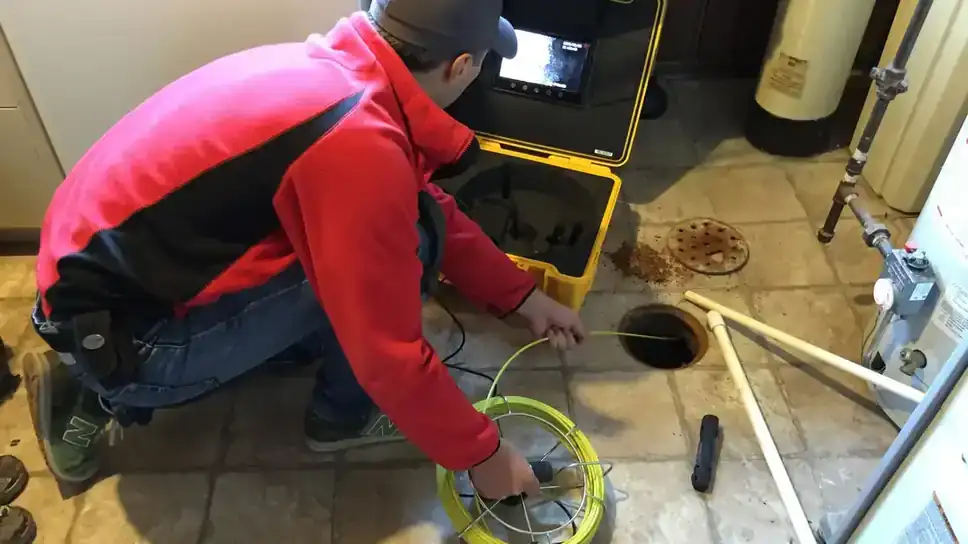
Technician seen from behind operating a drain camera at an indoor access, illustrating a camera inspection in Cerritos, CA.

Camera Inspections for Recurring Clogs and Repair Decisions

Reason for inspectionDecision it supports
Clog returned after clearingWhether visible deposits, roots or damage warrant another task.
Roots recovered from the lineWhere growth affects the accessible run and what follow-up to consider.
Major repair proposedWhich visible finding supports the proposed section of work.

A useful inspection has a defined question: where does the obstruction sit, what remains after clearing, or what visible defect supports a repair recommendation? Previous footage, the known repair location and available cleanout establish the inspection scope. Standing wastewater can obscure the pipe wall; clearing may be needed before meaningful footage is possible.

Considering a sewer repair or replacement? Review the visible defect, its location and the run actually inspected with the technician. The explanation identifies which parts were reached and which were inaccessible. One short clip of a damaged spot cannot describe every connected pipe, so the repair discussion stays tied to the section shown.

Some requests arise during a property purchase or before planned pipe work. In those cases, tell the service team what decision the inspection needs to support. A review of an accessible sewer lateral differs from checking a small bathroom branch. The camera size, entry point and ability to move through bends all affect what can be examined.

Access, visibility and location are separate questions

Access

The technician first establishes where the camera will enter. A cleanout can provide access to a sewer line, but its direction and connection still need checking. A camera through one opening does not automatically inspect every branch in the home. Knowing the inspection route helps you understand what the footage represents.

Visibility

Visibility is the next issue. Water, grease, debris or a heavy blockage can hide the wall or stop the camera. Cleaning or another entry point can improve the view. If the camera cannot pass a section, that is a limit to record, not a reason to guess the condition beyond it. A partial inspection can still be useful if its boundaries are clearly explained.

Location

A repair decision also needs a useful location. Where the inspection equipment and site conditions allow, a transmitter and surface locator help mark an observed point. Cable distance and a surface mark describe different things. The technician explains how the location was established and any further checks needed before excavation is planned.

Your Camera Inspection and the Answers You Receive

  1. Define the question.

    A repeat clog, proposed repair and property-purchase check call for different scopes. The technician confirms which line and decision the visit is intended to address.

  2. Choose the access.

    The inspection route starts from an appropriate accessible opening. The direction and section reached are part of the explanation. Other house branches are not automatically included because a camera entered the sewer.

  3. Observe the accessible run.

    The camera records a view where it can move and see. Blockage, water and debris can limit the inspection. If further cleaning or another opening is needed, the next task is explained rather than guessed around.

  4. Connect findings to the decision.

    Visible material may support cleaning, while a confirmed pipe defect can support repair evaluation. Review the visible finding, its location and the inspection limits before using the footage to approve further work.

  5. Confirm documentation.

    Ask which recordings, images, written findings or location marks are part of your agreed service. The important outcome is an understandable record of the section viewed and the observation that changes your next decision. Visible findings help define the cleaning or repair question to address next.

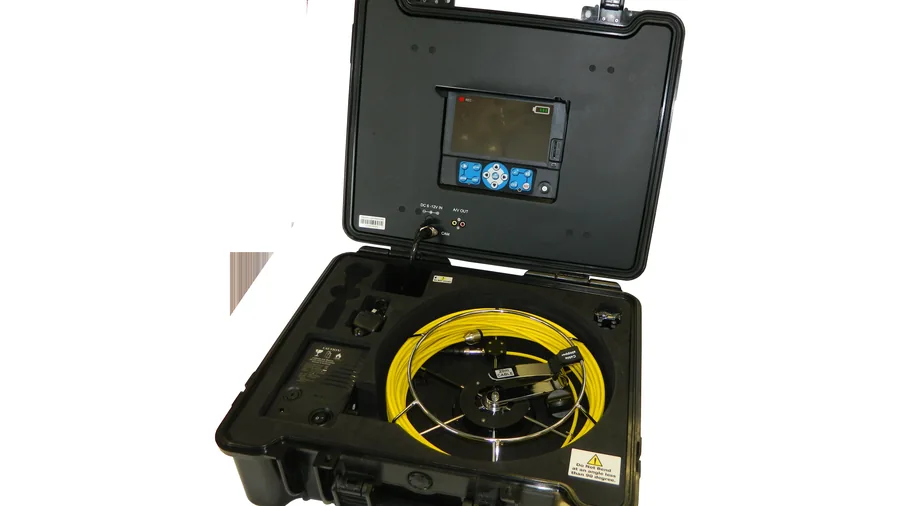
Portable drain inspection camera kit with coiled cable and monitor in an open case.

When a camera adds value

  • A main-line clog returns after clearing.
  • Roots are recovered during cleaning and the entry point matters.
  • Several fixtures back up without a clear blockage location.
  • A contractor recommends lining or replacement and you want evidence of the condition and location.
  • A property purchase or planned repair calls for a look at an accessible sewer line.

For a simple stopper or trap clog, we start at the fixture. Camera inspection earns its place when the problem returns, affects a deeper line or shapes a repair decision.

Request a Camera Inspection

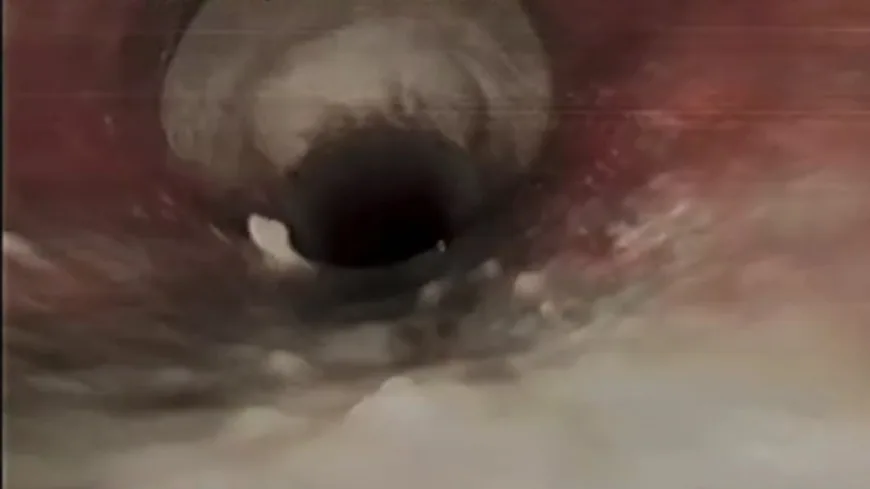
Camera view looking through a residential sewer line toward an exterior cleanout.

What an inspection can show

Footage can reveal visible roots, grease, standing water, offsets, separated joints, cracks or a collapsed section when the camera can reach and see the area. A locator can help mark an observed location where the equipment and site conditions permit. Standing water, heavy debris, poor access or a blockage that stops the camera can limit the view; we explain those limits instead of presenting a partial inspection as a complete picture.

What the findings mean for cleaning or repair

Finding or decisionWhat the inspection can establish
Roots, deposits or standing waterVisible roots can explain where waste is catching, while deposits can point toward a cleaning need. Standing water can show an area that deserves closer evaluation, but the cause and extent need interpretation. Camera footage is visual evidence; it is not a pressure test or a measurement of every property of the pipe.
Visible structural defectsA shifted joint, separated connection or collapse can support a repair discussion. The recommendation still needs the location, access, extent and service history. A pipe with one damaged section is a different case from a long run with repeated defects. Sewer-line cleaning addresses a blockage; repair addresses the pipe condition that keeps causing trouble.
Connect the recommendation to evidenceAsk the technician to connect each recommendation to a visible finding. If hydro jetting is proposed, which deposits need removal and is the line suitable? If root removal is needed, where is growth entering? If the camera view is too limited to answer those questions, the next step should improve the evidence rather than turn an incomplete view into a confident replacement order.

Read the findings without turning every image into a repair order

Ask the technician to identify the concern in plain language. Is the camera showing material that can be cleaned, a joint that has moved, an opening with roots, or a section that cannot be viewed? Those are different observations with different next steps. A useful explanation relates the finding to the backup history.

An image showing water is not the same as a complete assessment of slope. A camera stopped by debris has not shown the condition beyond the blockage. A visible crack can be important, but the proposed repair still needs a location and scope. These distinctions protect the usefulness of the footage without dismissing a genuine defect.

If major work is proposed, ask which finding makes that scope necessary and whether the inspected area supports it. A clear record lets another qualified contractor understand the same question. It also keeps a cleaning recommendation from being presented as pipe repair or an incomplete inspection from becoming a claim about the entire sewer.

Use Cerritos housing history to ask about earlier pipe work

The city's 2021 to 2029 Housing Element records the large share of Cerritos homes built between 1960 and 1979. Before a camera inspection, share any later lateral replacement, remodeled bathroom or repair record. That history helps define the run to inspect and any transition between replaced and existing sections. The camera then documents the accessible line as it is today, with the inspection's reach and visibility limits stated clearly.

For an example of local service considerations beyond Cerritos, see the housing and repair-history discussion on our Bellflower drain cleaning page.

Keep private inspection findings separate from public sewer records

Cerritos' public wastewater collection system and the property connection are different inspection scopes. The city's sewer study describes municipal infrastructure and the downstream treatment service. Your private camera visit needs to identify the actual entry point and section viewed at your address.

If the visible concern appears near the public connection, location becomes especially important. Ask how that point was established and what agency guidance is needed before assigning repair responsibility. The inspected route, available surface marks and stated limits give that conversation a practical basis.

Bring any previous repair drawing or camera record. A replaced section can meet existing pipe at a transition that deserves attention when recurring symptoms involve that area. Comparing the old findings with the present view helps establish what changed and which part of the line needs the next decision.

Camera Inspection Prices and Included Work

Access and the line being inspected shape the quote. A reachable cleanout is different from a route requiring other access work. A blocked line can also need cleaning before useful footage is possible. Before authorizing inspection, confirm what you pay if the camera stops short, the price of clearing needed to continue, and whether a second pass is included. If recording is available, ask for the footage with the access point, distance reference and the section reached so a second opinion can evaluate the same finding.

Will I receive footage or a written report? The customer deliverable matters too. A live explanation, saved video, still images and written report are different items. Confirm what is included, how the inspected limits will be described and whether location marking is part of the visit. Do not assume that every camera appointment includes a survey of all house drains.

The lowest inspection price is not necessarily the best comparison if access, reach and documentation differ. A useful quote says what question the inspection is intended to answer. If a separate repair estimate follows, it should connect the proposed work to the recorded finding rather than using the camera visit as an automatic sales step.

Make the inspection useful from the first visit

Provide prior drain invoices, repair details and any earlier video. Tell the technician which fixtures back up and how quickly clogs return after cleaning. If the request relates to a home purchase, explain any deadline and what the inspection is expected to cover before the appointment. That allows the service scope to match the decision.

Clear access to known cleanouts and make it easy to reach the affected area. Leave any sewage-filled access closed until the technician is ready. Do not run water to recreate a backup if wastewater has already entered the home. A clear description is enough to start planning safe access.

After the inspection, keep the findings with the property's records. Note the entry point, section viewed, visible concern and any limit to the inspection. If a contractor later recommends pipe work, those details make proposals easier to compare. If visibility is limited, further cleaning or another access point can be the next practical step.

Frequently asked questions

Can a camera see through standing water?

Standing water limits what the lens can show. Cleaning or a different access point can improve the view, and we explain exactly which section was inspected.

Will it tell me whether the pipe needs replacement?

Footage can show visible conditions relevant to that decision, but the repair recommendation also depends on location, access and the full scope of damage.

Is camera inspection worth it for one slow sink?

Usually start with the fixture and its nearby branch. Inspection becomes more useful when symptoms recur, involve multiple fixtures or point to a deeper line.

Can a camera prove that the pipe has no leaks?

No. A visual inspection can show visible cracks, joints and other conditions along the viewed route, but it is not a complete leak test. Other evaluation may be required when watertightness is the question. The technician should explain what the camera can establish.

Is standing water always a pipe belly?

Standing water is an observation. Its extent and cause need interpretation, and a blockage can also hold water back. The useful report explains the conditions of the inspection and whether cleaning changed the view before drawing a repair conclusion.

Can a camera find something dropped down a drain?

It can help locate an object when access, pipe size and visibility allow. Finding it and retrieving it are separate tasks. Say what the object is and which drain it entered before arranging service.

Should I keep a copy of the findings?

Yes, when documentation is included. A clear record of the inspected section and visible issue is useful for future maintenance, repair quotes and repeated symptoms. Confirm the available format when booking rather than assuming a particular report is standard.

What should I include when booking sewer camera inspection?

Include the decision you need help with: a recurring blockage, a root finding or proposed pipe work. Earlier footage and invoices can show which section was already checked. For purchase-related inspections, mention the deadline and requested scope. Access, recording availability and the inspected run are discussed when arranging service.

Book Sewer Camera Inspection in Cerritos

Make the next drain decision with visible information. Arrange sewer camera inspection at [PHONE NUMBER] or View contact details. Describe the recurring problem or proposed work, and bring any previous recording. Cerritos Drain Pro explains the inspected section and what its findings mean for cleaning or repair evaluation.

Request a Camera Inspection
Find a serviceView contact details