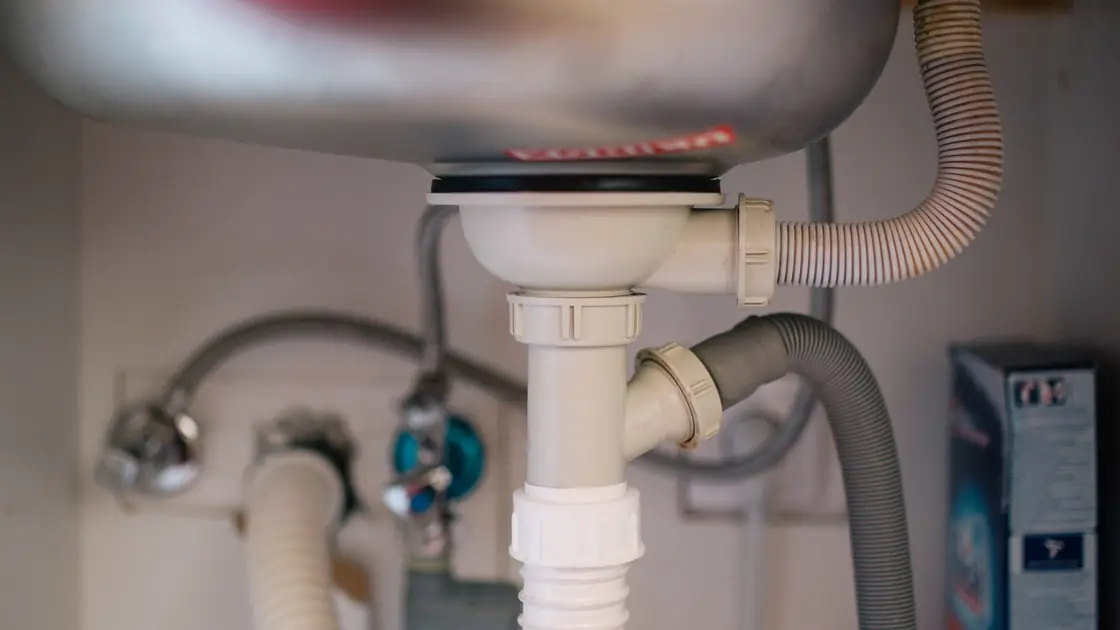
Confirm where the water goes during discharge
A useful after-service check follows the symptom that prompted the call. If the kitchen sink filled, the shared path should carry the discharge without the same rise. If the air gap spilled onto the counter, the outlet route after the gap deserves observation. If the machine retained water, its discharge and appliance condition still need evaluating even when the kitchen branch flows.
Testing should be controlled and appropriate to the work performed. Running a complete overflowing cycle before the drain is ready adds water without improving the diagnosis. The technician should explain which part of the path was cleared and what the check established. If appliance follow-up is still needed, that conclusion should be stated plainly.
There can be more than one fault. An accessible hose restriction and kitchen branch buildup can coexist, or the appliance can have a component issue alongside a slow sink. Resolving the first visible blockage does not justify promising every appliance symptom has been fixed. Describe any remaining behavior before the visit ends so the next step can be targeted.
Keep installation and service records if the problem has returned after recent work. The date of a disposal change, hose replacement or dishwasher installation can be important context. The relevant question is what changed in the discharge route, not whether a newer appliance should automatically drain through any existing pipe.
Your service explanation identifies the drain connection checked, the kitchen pipe cleaned and any appliance fault still needing repair. This makes follow-up practical: a clear receiving branch, an air-gap outlet restriction and a failed pump each require a different next step. Keep those findings with the installation records for the dishwasher and disposal.