

Drain Cleaning · Hydro Jetting · Camera InspectionCSLB C-36 LicensedServing Los Angeles & Orange Counties
Phone: [PHONE NUMBER]24/7 Emergency

Keep common clogs from returning

Cooking grease, shed hair and wipes can collect where household drains narrow or turn. Keeping them out reduces the material a line has to carry. These kitchen, bathroom and laundry habits help limit new buildup and explain when a recurring clog needs professional attention.

Kitchen Grease PreventionBathroom & Laundry Drain CareFinding-Based Maintenance

In the kitchen

Wipe grease from pans and plates before washing. Let cooking fat cool, then put it in the trash rather than the sink. Scrape food scraps into the bin and avoid treating the disposal as a substitute for it. The Los Angeles County Sanitation Districts’ prevention guidance advises keeping fats, oils and grease out of drains and disposing of wipes in the trash, even when packaging describes them as flushable.
In the bathroom and laundry

Use a shower hair catcher and clear it regularly. Remove visible hair from sink stoppers before it moves farther into the drain. Put wipes, cotton swabs and floss in the trash, not the toilet. If a laundry standpipe overflows only during pump-out, have its branch and hose setup checked instead of waiting for a full floor backup. See washing-machine drain cleaning for the service distinction.

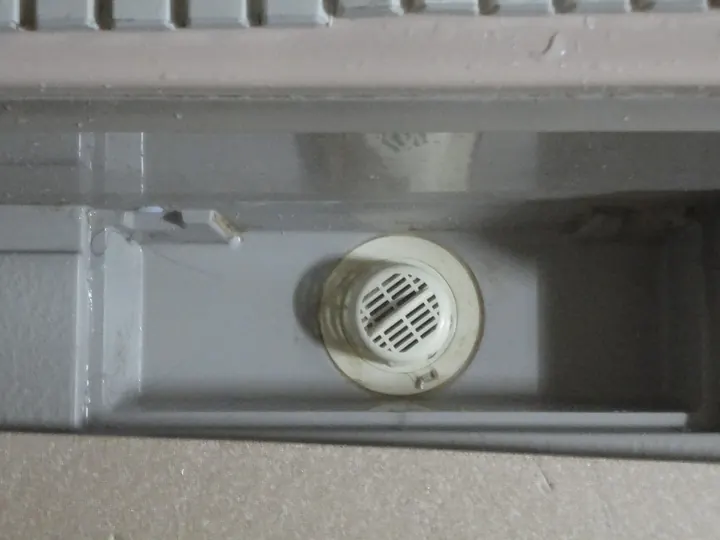
Round drain cover fitted in a white shower base

Stop before a small clog becomes an overflow

Remove visible hair and surface debris only where it is safe and easy to reach. Stop adding water when a fixture is filling rather than draining. If a toilet flush sends water into the shower or laundry makes a floor drain rise, stop using the connected fixtures and arrange service. Those cross-fixture signs point beyond an isolated stopper clog. Read the main sewer-line signs.

Know when prevention is no longer the answer

A drain that repeatedly slows despite good habits needs diagnosis. The next step is to find buildup left in the line, root entry or a pipe condition that keeps catching debris. A calendar-based cleaning schedule is less useful than a plan based on the actual line and its history. Why drains reclog.

Frequently asked questions

Can wipes cause a sewer blockage even if they flush?

Yes. Regional sewer-prevention guidance advises keeping wipes out of toilets. Dispose of them with the trash instead.

Do all drains need cleaning on a fixed schedule?

No. Use service history and documented conditions to decide whether maintenance is warranted.

When should I stop using a drain?

If wastewater rises or another fixture backs up, stop using connected fixtures and arrange help. Do not open a flooded cleanout.

Need help with a slow or recurring drain?

Describe the symptoms and previous cleaning so the next service can address the affected drain.

Request Drain Service
Find a serviceView contact details