Drain Cleaning · Hydro Jetting · Camera InspectionCSLB C-36 LicensedServing Los Angeles & Orange Counties
Phone: [PHONE NUMBER]24/7 Emergency

Drain Odor Removal in Cerritos, CA

Bathroom smells bad even after you clean it? Cerritos Drain Pro checks persistent drain odors in Cerritos, CA and removes buildup when it is the source. Service follows the smell at the sink, floor drain or fixture connection, with any trap or seal problem explained separately.

Drain Odor Source ChecksTrap & Connection AssessmentLeak & Residue Findings Explained

Track down the drain smell that keeps coming back

Water drains normally, but the odor stays? A freely flowing drain can still hold odor-producing residue. A dry trap or failed fixture seal needs a different response. Book a source check rather than another cleaning treatment that leaves the reason for the smell untouched.

Call [PHONE NUMBER] or arrange service for drain odors in Cerritos, CA.

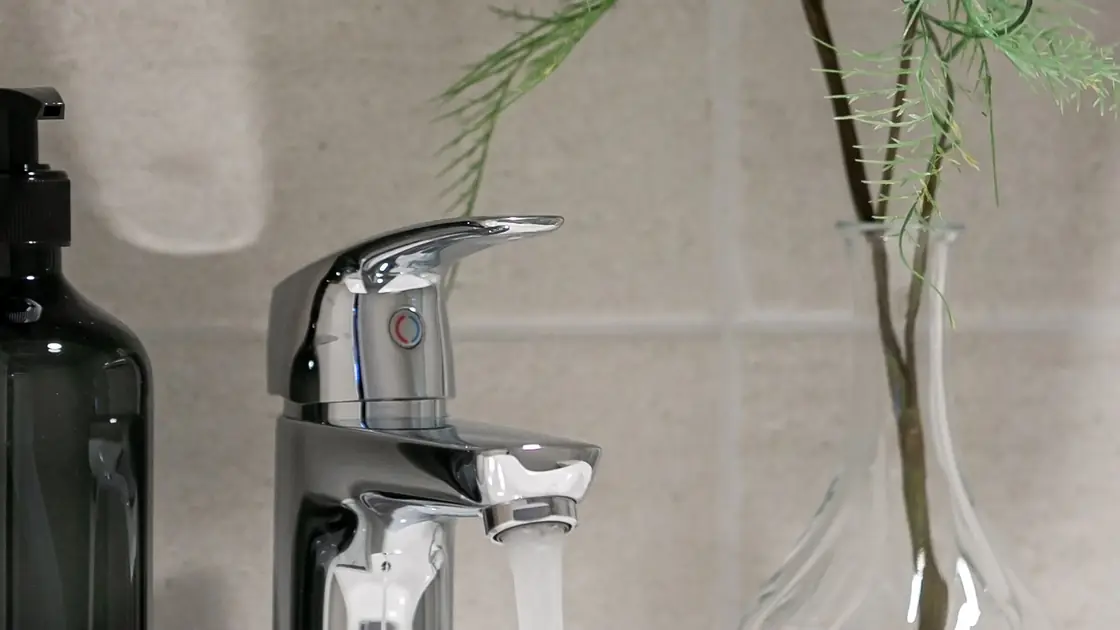
Water flowing into a bathroom sink, illustrating drain odor service in Cerritos, CA.

Source-Based Help for Bathroom and Utility Drain Odors

Where the odor is strongestCheck that fits the location
Sink openingStopper, overflow passage and accessible residue.
Seldom-used floor drainTrap water and whether its odor seal is being lost.
Toilet baseFixture seal or connection, separately from a bowl blockage.

Include when the smell appears and whether another drain is slow or backing up. Those details help separate a local odor complaint from a connected wastewater problem. If you suspect a natural-gas leak, leave immediately; follow SoCalGas emergency guidance and call the gas utility from a safe location. Call 911 if there is immediate danger. A drain-cleaning visit is not a gas-leak response.

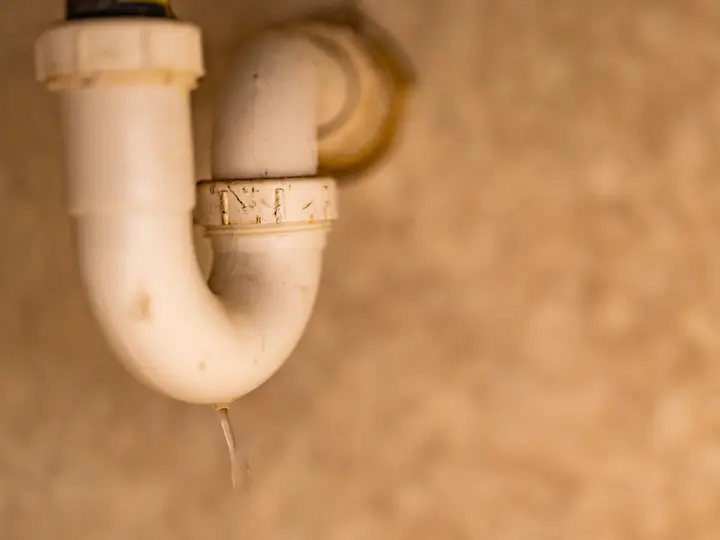
A trap normally holds a small water seal that blocks sewer odors from entering the room. An infrequently used drain can lose that seal as water evaporates. Repeated seal loss, a leak or a different plumbing condition needs further evaluation. Simply adding fragrance does not establish why the odor is present.

Smell combined with slow drainage or wastewater backup calls for a check of the connected drain. A loose fixture seal needs different attention from organic residue inside an opening. During service, those findings are separated, so cleaning targets responsible buildup and any trap, seal or connection repair has a clear purpose.

A smell near a sink is not proof that the sink created it. Note the location and when it appears, but never use a drain-service appointment to rule out a suspected gas leak.

Describe where and when the smell is strongest

Odor confined to an unused floor drain can point to a lost trap seal; odor at a bathroom sink can come from residue in the overflow passage. A smell accompanied by gurgling or wastewater backup raises a different concern about the connected drainage route. Smell alone cannot establish a sewer-line blockage.

If the smell appears in more than one room, record whether it occurs at the same time or after a particular fixture runs. That pattern is more useful than a list of drains that happen to be nearby. Cleaning should follow the source rather than use one method everywhere.

Odor only when hot water runs? Include that pattern when arranging the visit. The water supply or fixture can need a check beyond the wastewater drain. Vent and fixture-seal findings are explained separately too. Cleaning stays focused on buildup that is actually present, with the next contact or repair identified when the source lies elsewhere.

White plastic P-trap and connected drain piping beneath a bathroom sink.

What to Expect From Drain Odor Service

  1. Locate the pattern.

    The technician asks where the smell is strongest and whether it follows use, disuse or wastewater backup. The check stays open to another source when the surrounding symptoms point away from the drain.

  2. Inspect the relevant components.

    Accessible residue, trap water, fixture connections and drainage behavior are considered according to the location. A sink overflow passage and a toilet base are different inspection points.

  3. Address the identified drain source.

    Cleaning is used when material is responsible. A missing water seal, damaged connection or other plumbing concern receives its own explanation. The method should match the source found.

  4. Explain the follow-up.

    A recurring smell can require another targeted check, especially if it returns under a repeatable condition. Record that timing rather than masking it with more products.

After the check, you'll know which source was investigated and what was cleaned. If the remaining concern involves a seal, vent, water supply or utility issue, the technician explains that component and the follow-up it needs. That helps you act on the finding without paying for repeated cleaning of a freely flowing drain.

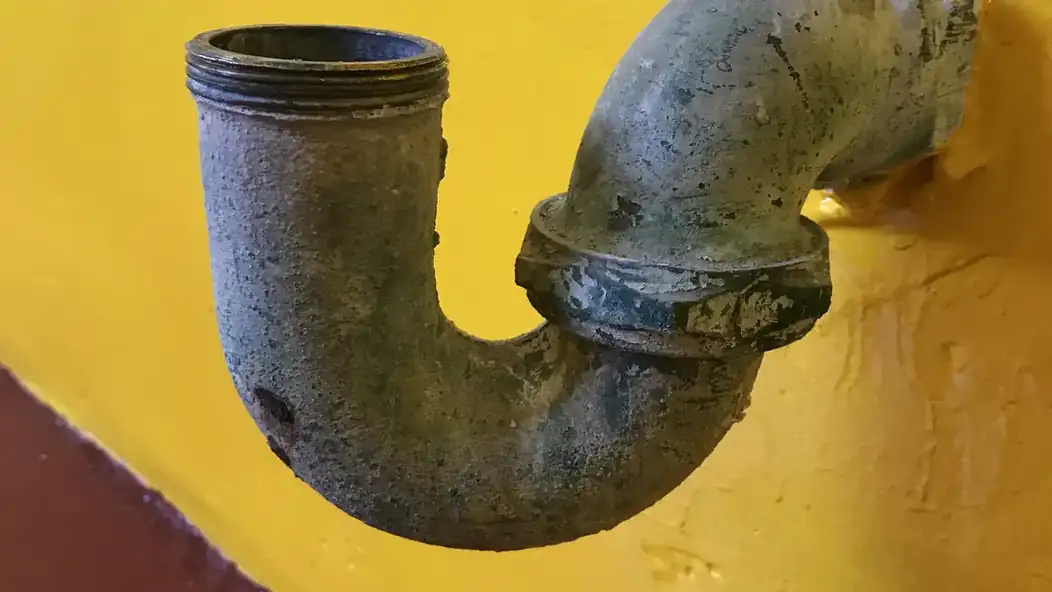
Detached brass P-trap pipe against a yellow background.

Match the solution to the source found

Possible odor sourceAppropriate response
Residue or branch restrictionWhen residue is the cause, cleaning the affected stopper, overflow or drain section addresses the material producing the odor. A deeper branch blockage calls for suitable line clearing and a flow check. The scope should identify which surface or pipe section is being cleaned.
Missing trap sealIf the trap seal is missing, the reason matters. An unused fixture with evaporation is a different case from recurring water loss, a leak or another problem affecting the trap. Restoring the water seal can change the smell, but repeated odor still needs a proper plumbing assessment. Covering the opening does not answer that question.
Seal, vent or another sourceIf a damaged seal, vent condition or non-drain source is suspected, the technician explains the repair or next service to evaluate. Sewer-line cleaning is relevant when odor comes with shared-line backup; bathroom drain service fits a fixture drainage problem. A camera is useful only when a visible pipe condition would change the next decision. Odor alone is not a reason to inspect every sewer or recommend replacement.

Request Drain Odor Service

How to tell whether the source was addressed

The service explanation should identify the component checked and the condition found. Removing residue from a sink stopper is a specific result. Restoring a trap water seal is another. Finding that the odor appears unrelated to the flowing drain is useful too, because it directs the next evaluation toward the appropriate component or service.

Can an odor return even after cleaning? An immediate change after cleaning can support the source assessment, but the timing over normal use still matters. If a smell returns only after days of disuse, that pattern is different from one returning every time a neighboring fixture drains. Keep a short note of when the odor returns and what activity preceded it. That record gives a follow-up visit something concrete to investigate.

Avoid treating intensity as a measurement of pipe damage. A strong smell near a small buildup and a faint smell near another source can require very different work. The recommendation should follow the identified route, visible findings and relevant tests, not the assumption that a stronger odor automatically means a larger sewer repair.

When a broader plumbing concern is found, ask which component needs evaluation and why. A vent, toilet seal, water source or external sewer concern should be described by its own symptoms. This helps you arrange the right professional follow-up without paying for repeated cleaning of a line that is already flowing.

If the odor persists under a specific condition, that pattern guides the next evaluation.

Report the location of a strong sewer odor in Cerritos

The City of Cerritos wet-weather notice asks residents to report suspected sewage spills and strong sewer odors. Give the location, any visible wastewater and simultaneous concerns at nearby properties from a safe position so the appropriate agency can evaluate a suspected public-system concern.

For an odor localized inside the home, the private service starts with the fixture and its surroundings. State which drain seems involved, when the smell appears and whether it comes with slow flow or backup. An odor near a public sewer opening and residue at a bathroom stopper call for different checks.

If the smell appears outdoors, identify the private grate, street area or visible discharge involved. The location helps direct the next contact. A suspected gas leak requires the gas utility's safety response, even if a drain happens to be nearby.

If the odor is around an outdoor grate, establish that drain's route before treating it as a sanitary sewer problem. Cerritos' stormwater information describes a separate outdoor system. Material held in a private area drain can call for a basin or outlet check; wastewater symptoms from connected indoor fixtures call for a different evaluation.

What affects a drain-odor service quote?

An accessible source at a stopper or trap is different from an odor requiring several fixtures or concealed connections to be evaluated. The scope depends on which components need inspection and whether cleaning, drain clearing or separate plumbing work is indicated.

Ask what the proposed service includes and what finding it is intended to address. A quote for removing residue should not imply a guarantee against odors from every other source in the home. If the line drains normally and another component appears responsible, the recommendation should explain why more cleaning would not answer the problem.

If a camera, seal repair or broader plumbing evaluation is suggested, ask what evidence supports it. A useful proposal links the work to an observed source or a clear diagnostic question. The cost guide explains why access and inspection needs change service scope. Actual repairs should be defined once the relevant component is identified.

Before the visit: preserve the clues

What should you preserve before the visit? Note when the smell appears and which drain seems involved. Avoid masking it with repeated fragrance or chemical treatments before the check. Never mix cleaning products. Tell the technician what has already been used, especially if liquid remains in a drain that may be opened.

Clear access to the fixture and nearby cabinet without dismantling seals or traps. If the smell comes with sewage backup, stop using the connected fixtures and use emergency drain service. If the concern is a suspected gas leak rather than a localized drain smell, leave and contact the appropriate utility from safety.

After the source is addressed, maintain accessible strainers and stopper areas and use fixtures normally according to the technician's guidance. Keep a record if the smell returns after disuse, hot-water use or another fixture discharging. Recurring timing helps identify a remaining component problem. Good odor service ends with an explanation of the source checked and what to watch next, rather than a claim that every smell has one cure.

For a smell that remains after clearing, the Lynwood drain cleaning page also discusses when odor needs its own assessment.

Mention products and changes near the fixture

Recent cleaning products, a replacement toilet, a moved vanity or long periods without fixture use can all be relevant history. These details do not prove a cause, but help the technician decide which part to check. Describe what changed around the time the odor began.

If a previous treatment improved the smell only briefly, explain how long the improvement lasted. A temporary change after rinsing, normal use or surface cleaning is useful context for evaluating residue and trap function. It does not justify repeatedly adding stronger products without locating the source.

Keep the description specific to place and timing. “The bathroom smells after the guest shower sits unused” gives the visit a clearer starting point than a general conclusion that the entire sewer must be failing.

Frequently asked questions

Can the sink overflow passage smell?

Yes. Residue can collect in that passage separately from the main drain opening. The fixture design and accessible odor source determine whether the branch needs cleaning. A strong smell does not by itself show how deep the problem is.

Why does a rarely used drain smell more?

Its trap can lose water during long disuse, allowing odors past the usual water seal. That is one explanation, not a complete diagnosis. Repeated loss or a smell that persists after normal use deserves a check of the trap and plumbing condition.

Does rotten-egg odor prove a sewer leak?

No. Several sources can create similar smells. A source near a fixture needs evaluation, and suspected gas requires the utility's safety response. Do not identify a hazardous source solely by comparing odor descriptions online.

Why did the smell return after a drain cleaning?

The original source may have been elsewhere, or a trap, seal or other condition may remain. Describe what changed after cleaning and when the smell returned. That history helps choose a targeted check rather than repeat the same treatment without evidence.

What if the odor appears only when hot water runs?

Mention that timing before service. The water supply, faucet area and drain can need different checks. A smell noticed during water use does not establish that material deep in the sewer is responsible.

Explain whether cold water causes the same odor, whether another fixture behaves similarly and whether the basin drains normally. These details help determine the appropriate next evaluation. If the concern points toward the water itself or another plumbing component, that finding changes the service plan. Cleaning an already flowing branch should not be repeated simply because it is the closest pipe to the smell.

What should I include when booking drain odor service?

Which room smells, and when is it strongest? Note whether the fixture has been unused, the odor appears with hot water or drainage has slowed. Include any wastewater backup and products already used. Keep the fixture accessible without taking seals or traps apart before the source is checked.

Book Drain Odor Service in Cerritos

Find the source of the drain smell. Call [PHONE NUMBER] or View contact details for drain odor service in Cerritos. Include the fixture and when the smell appears. Cerritos Drain Pro checks the complaint, addresses responsible buildup and explains any trap, seal or connection needing further attention.

Request Drain Odor Service
Find a serviceView contact details