Check the pipe before choosing high-pressure cleaning
The assessment starts with the affected fixtures, blockage history and access. A line that repeatedly slows after mechanical clearing raises different questions from a newly blocked sink with a foreign object in its trap. Prior inspection footage helps, particularly if it shows pipe damage, a shifted joint or an area holding water.
A camera view can support the decision when the line is accessible and clear enough to inspect. It cannot provide a full condition check through heavy standing water or a blockage it cannot pass. Sometimes the line needs an initial opening before the pipe wall is visible. The technician explains what was seen and which part remains uncertain, rather than treating the presence of a camera as proof that the entire run is sound.
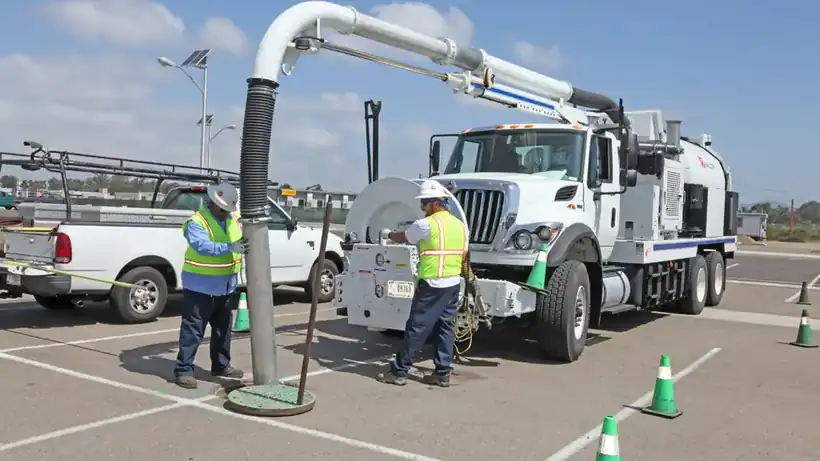
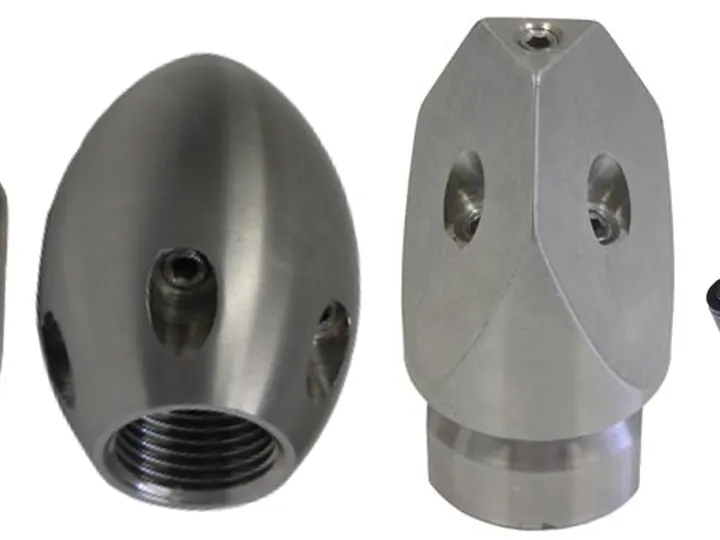
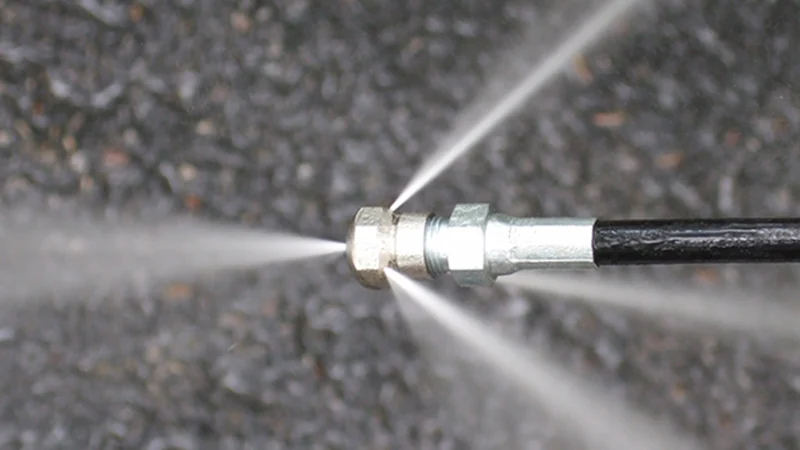
Access also controls the work. A suitable cleanout gives the hose a useful entry point. Pipe size, bends, condition and the intended cleaning direction shape the equipment choice. If the line has a defect that makes jetting unsuitable, the answer is a repair assessment or another approach. A more powerful machine does not correct a broken route.
For the local service context of a repeat backup, see Paramount drain cleaning, including its discussion of jetting and inspection.