Drain Cleaning · Hydro Jetting · Camera InspectionCSLB C-36 LicensedServing Los Angeles & Orange Counties
Phone: [PHONE NUMBER]24/7 Emergency

Commercial Grease Trap Cleaning in Cerritos, CA

Prep sink backing up during a busy shift? Cerritos Drain Pro handles commercial kitchen drainage and grease-trap service in Cerritos, CA. Describe the fixtures affected, the grease-control unit and any recent pump-out so the visit targets the equipment or connected drain that needs attention.

Commercial Grease-Trap ServiceInterceptor & Outlet ChecksKitchen Access Coordination

Keep backed-up kitchen drains from stopping service

Trap was pumped recently, but the sinks still back up? A restriction can remain in the outlet or kitchen line. Equipment cleaning and pipe clearing are separate tasks. Your written proposal identifies the work, waste-handling scope and any service records included before you approve it.

Call [PHONE NUMBER] or arrange service for grease trap cleaning in Cerritos, CA.

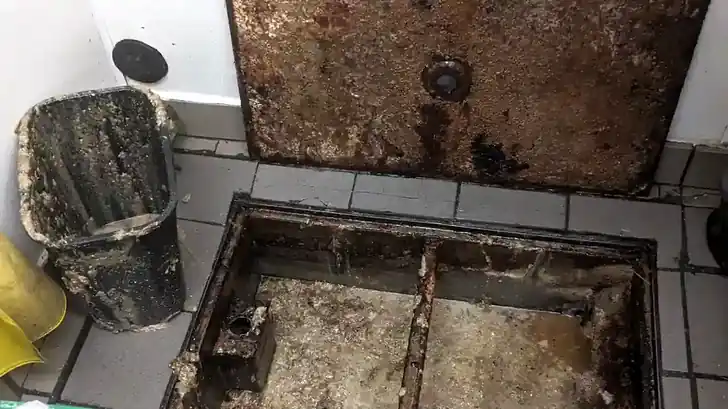
Open floor mounted grease trap in a commercial kitchen, illustrating grease trap cleaning in Cerritos, CA.

Grease-Control Equipment and Connected Kitchen Drains

Kitchen findingWork to distinguish
Collected contents in the trap or interceptorEquipment cleaning and the stated waste-handling scope.
Recently cleaned unit, but sinks still back upRestriction in the connected kitchen or outlet line.
Damaged or malfunctioning componentComponent repair, separately from removing contents or clearing pipe.

Kitchen access and the operating schedule help organize the visit. A clean interceptor with an obstructed outlet needs different work from a unit full of collected material. Both conditions are checked against the complaint before equipment cleaning or connected-line service is proposed.

Interceptor contents and an outlet blockage need separate attention. Pumping removes collected contents from the equipment; it does not automatically clear the pipe beyond it. Clearing that pipe leaves the interceptor contents in place. The written proposal should name the grease-control equipment, the affected outlet line and any separate pipe-clearing work; a recent pump-out does not establish that the downstream drain is open.

If sinks back up after a recent pump-out, the connected outlet or kitchen drain still needs checking. Previous service records show which equipment was cleaned. Combined with the fixtures still affected, they help locate the remaining restriction and define the next job.

Start with the actual symptom

Note where water first rises: a three-compartment sink, prep sink, dishwasher connection, floor drain or interceptor cover. Also note what was running at the time. Several kitchen fixtures reacting together suggest a shared path, while one isolated slow opening can have a more local restriction.

Odor alone needs its own check. Residue at a drain opening, a trap seal issue, equipment contents and a loose cover are different possibilities. The service visit locates the source before treating the smell as proof that the entire kitchen sewer is blocked.

If an alarm is present, record the alarm message and equipment model without bypassing the control. An alarm can require a service response beyond ordinary drain cleaning. Share the manufacturer's instructions and previous service reports so the assessment starts with the correct equipment information.

Small indoor units and larger exterior interceptors

Identify the equipment

Commercial properties use different grease-removal arrangements. Some equipment is accessible inside the kitchen; other units are buried outside with several covers. The approved installation, capacity, flow rating and connected fixtures determine how it is maintained. Physical size alone does not establish an appropriate service interval.

Plan access around the kitchen

For an indoor unit, access around counters, stored supplies and food preparation affects the appointment. For an exterior unit, vehicle access, hose routing, parking and cover condition matter. Give these details when scheduling so the proposed work accounts for the actual site.

Keep people out of the interceptor

Do not enter a tank or interceptor. These are not spaces for kitchen staff to inspect from inside. A cover that is heavy, damaged or under wastewater also needs professional handling. Routine preparation is to provide access and records, not to open or dismantle unfamiliar equipment.

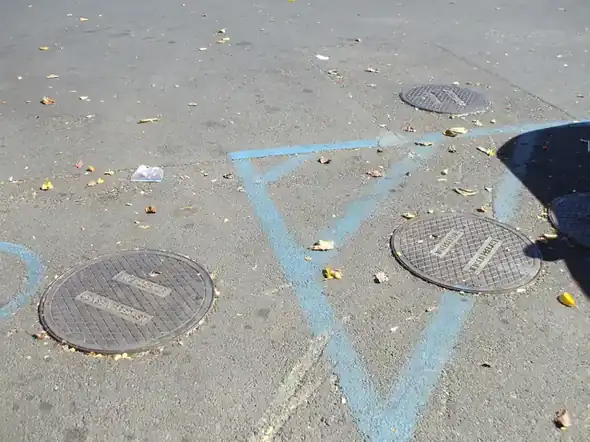
Round access covers over an in ground grease interceptor in a diner parking area.

A service sequence built around your kitchen

  1. Review equipment and records

    The technician identifies the unit, its location and the affected fixtures. Recent pump-out information, inspection notices and any installation documentation help establish what needs attention. A missing service record is a reason to create an accurate baseline, not to reconstruct a visit that never happened.

  2. Explain the work before starting

    The proposed scope distinguishes equipment cleaning, waste removal, connected-line clearing and component repairs. Confirm which tasks are included and what documentation is supplied. Work needed outside the agreed service is explained separately before additional charges are approved.

  3. Service the accessible equipment

    Contents and deposits are removed using the appropriate service arrangement. Accessible baffles, covers, seals and inlet/outlet components are checked as part of the agreed work. A failed or missing part is documented so it is not confused with a trap that simply needs another cleaning.

  4. Check the connected route

    Controlled fixture use helps determine whether the kitchen now drains through the serviced path. If the outlet remains restricted, the next discussion concerns the drain line and suitable access. A separate commercial hydro jetting assessment can be useful when connected-pipe deposits require attention.

  5. Record the findings and next date

    Keep the unit identification, service date, completed work and any concerns with the kitchen's maintenance records. Review the waste-handling and disposal documentation included in the service arrangement. Future scheduling follows actual accumulation, the equipment instructions and applicable facility requirements, giving the next appointment a useful basis beyond the calendar alone.

Request Grease Trap Service

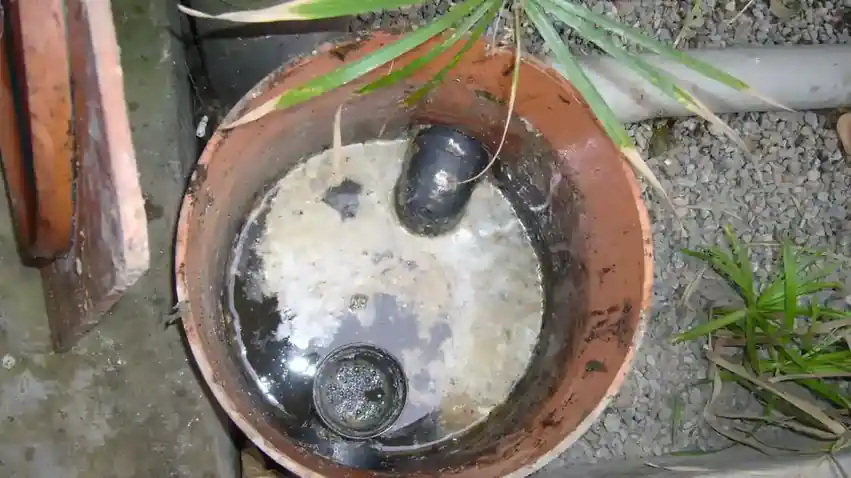
Small uncovered grease trap with floating residue and visible inlet pipe.

Cerritos sewer context and the right agency

The City of Cerritos sewer study describes city collection infrastructure and downstream treatment by the Los Angeles County Sanitation Districts. That division matters when deciding whether a finding is inside the kitchen, in the private connection or in the public collection system.

The Los Angeles County Department of Public Health's food-facility guidance directs operators to local building, sanitary or public works agencies for specific grease trap and interceptor requirements. The approved arrangement for your facility is the useful starting point for installation or upgrade questions.

Bring an inspection notice or permit condition to the service discussion rather than applying one general tank-size rule to every Cerritos restaurant. Equipment type, approved plans and the responsible authority shape the decision. Cleaning supports a functioning system; a service receipt by itself is not approval of an installation.

For local commercial drain and access considerations, see Santa Fe Springs drain cleaning.

How often should the unit be serviced?

Set the schedule around the accumulation actually found, the manufacturer's instructions and any applicable maintenance requirements. Menu changes, meal volume, operating hours and kitchen practices affect how quickly grease and solids collect. Two units with the same capacity can therefore need different service intervals.

A useful record tracks what was removed and whether grease or solids were approaching a level that interferes with separation. Review the pattern across visits. If a unit fills much sooner after a menu change, the interval needs attention rather than waiting for a familiar date on the calendar.

An oversized or undersized equipment claim also needs evidence. Before proposing replacement, review the approved design, fixtures and actual discharge. A missed cleaning, a blocked outlet and a unit that no longer suits the kitchen are separate problems; each calls for its own explanation.

When the interceptor is clean but sinks still back up

Why can sinks still back up after interceptor cleaning? The restriction can remain in a sink branch, a shared line or the interceptor outlet. Food solids and grease that escaped earlier service can remain attached downstream. The technician traces where water stops moving and chooses access for that specific part of the route.

For a recurring line problem, a camera inspection can help document visible deposits, roots or a pipe defect once the route is open enough to inspect. The recommendation should identify the section reached and the condition found. It should not assume that every commercial backup needs complete sewer replacement.

See kitchen drain cleaning, floor drain cleaning and sewer-line cleaning for the different paths a kitchen complaint can involve. Tell the team whether restrooms or another tenant's fixtures are affected as well.

Service records that remain useful

Work and waste-removal records

Keep the date, business location, equipment identification and the work performed together. Add photographs when they clearly show an equipment finding, and retain any waste-removal paperwork supplied with the service. Avoid a folder containing only a payment receipt with no description of the unit or task.

Unresolved equipment repairs

If a component needs repair, record what was found and whether it was repaired during that visit or left for separate approval. This helps managers distinguish an outstanding equipment issue from a future cleaning appointment. It also prevents a change of staff from losing the reason behind a maintenance recommendation.

Local record-retention requirements

Ask the relevant authority what records and retention period apply to your facility. The service team can explain its own documentation, while the agency defines the requirement being reviewed. Accurate, current records are more useful than a promise that one document will satisfy every inspection.

Keep grease out between appointments

Scrape and dry-wipe cookware before washing. Put cooled cooking fat in the proper collection container, and use strainers where appropriate to keep food solids out of sinks. Make the same expectations clear to new staff and cleaning crews so the last shift does not undo the day's grease-control work.

Do not use a mop sink or floor drain as an alternative route for waste grease. Those openings still connect to a drainage system. Grease that misses the interceptor can create a restriction elsewhere, even if the equipment itself appears clean at the next visit.

Hot water and additives do not remove the need for proper maintenance. Follow equipment instructions and facility requirements before adding products. If a cleaner has already been used, identify it to the technician so the service accounts for what remains in the unit and connected line.

Scheduling around food service

Share preparation hours, peak service times and the fixtures required to keep the kitchen operating. Describe access through a dining room, loading area or shared corridor. The appointment plan can then identify which area must be available and when water use needs to pause.

For a leased space, identify the manager who can approve work on shared drainage. The affected pipe might serve several tenants or pass through a restricted area. Having the right contact available helps the service proceed with a clear scope rather than leaving a technician waiting for access or authorization.

An inspection date is useful scheduling information, but it does not replace the actual condition check. Describe an active backup first. If there is an enforcement notice, share its wording so the work responds to the identified issue instead of guessing what the inspector wanted.

What affects the service price?

Capacity, access, accumulated contents, equipment condition and the tasks included affect the quote. An indoor unit and an exterior interceptor with difficult vehicle access are different appointments. Separate line cleaning or component replacement also changes the scope.

Confirm whether the price covers equipment cleaning, waste handling, flow checks and the records supplied. If recurring service is proposed, ask how the interval is reviewed when kitchen use changes. A clear maintenance agreement describes the work instead of relying only on a visit frequency.

The pricing guide explains how access and method affect drain work generally. For commercial equipment, the final quote should also identify the unit and service arrangement, so a manager can compare like-for-like tasks rather than two different definitions of a cleaning.

Frequently asked questions

Will pumping the grease trap clear a blocked kitchen drain?

It removes the unit's accumulated contents. A restriction in a connected branch or outlet can require separate line cleaning. Describe whether the sink still backs up after recent pumping so the visit includes the affected route.

Can you tell us the interval from the tank size alone?

Tank size is one input. Actual grease accumulation, connected fixtures, operating volume, equipment instructions and facility requirements shape the schedule. Keep records of the contents found so the interval can be reviewed with useful evidence.

Is a service receipt the same as regulatory approval?

No. The record documents work performed. Approval of equipment, installation changes and compliance with a facility-specific requirement belongs with the relevant authority. Keep the approved plans and notices alongside service records when those questions arise.

Should staff open an overflowing interceptor?

Keep people away from wastewater and stop discharge through the affected fixtures. Do not enter the unit or remove unfamiliar covers to investigate. Describe where the overflow is occurring and arrange professional help for the equipment and connected drainage.

Can food-service drainage be handled outside opening hours?

Share your kitchen schedule and access restrictions when arranging the visit. The service plan should identify when fixtures must be available or taken out of use. Ask for the current appointment options rather than assuming a particular time is already reserved.

What should I include when booking commercial grease trap service?

Include the unit type, affected sinks or floor drains, last service date and any inspection notice. For leased kitchens, identify the manager authorized to approve shared-line work. Access hours and the kitchen's operating schedule also matter. Existing service records help separate accumulated equipment contents from a restriction beyond the outlet.

Book Commercial Grease Trap Service in Cerritos

Plan service around the kitchen's immediate drainage problem. Call [PHONE NUMBER] or View contact details for commercial grease-trap service in Cerritos. Include equipment details, recent service and affected fixtures. The appointment defines the equipment or connected line involved, with the proposed work and documentation discussed before service.

Request Grease Trap Service
Find a serviceView contact details