What the completed service should establish
The explanation should say where the drain connects, which section was reached and whether the observed flow problem changed. For an indoor wastewater drain, a test can involve the fixture discharge that previously caused water to rise. For a private exterior route, checking the inlet and outlet is a different task. Those tests should follow the identified system.
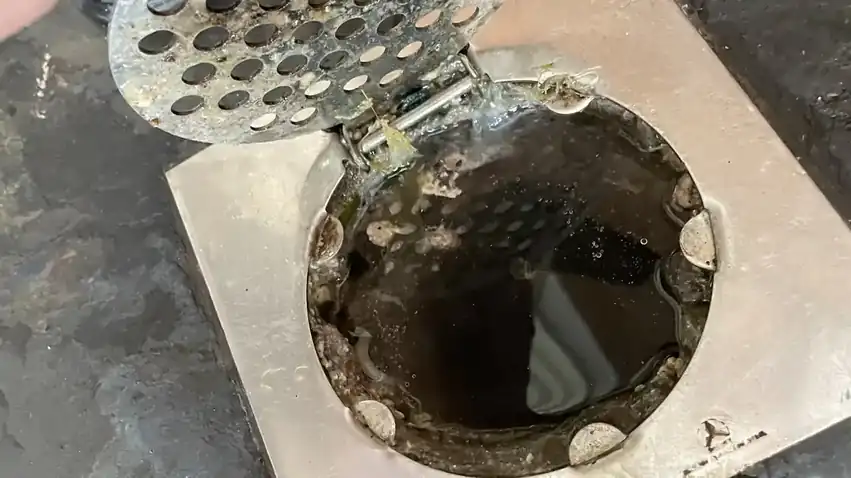
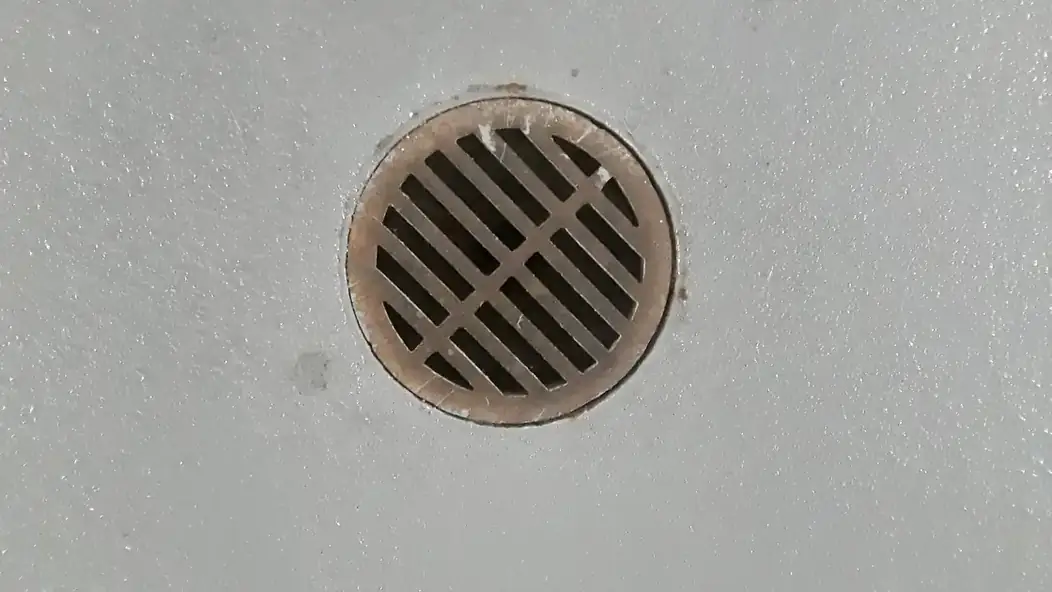
Does an open grate prove the entire line is clear? If the route cannot be fully established, that limit matters. A grate that now accepts some water does not prove the full buried line or outlet is sound. The technician should explain what further access, inspection or repair evaluation would answer the remaining question. This is especially useful where old garage or utility-space alterations have left little documentation.
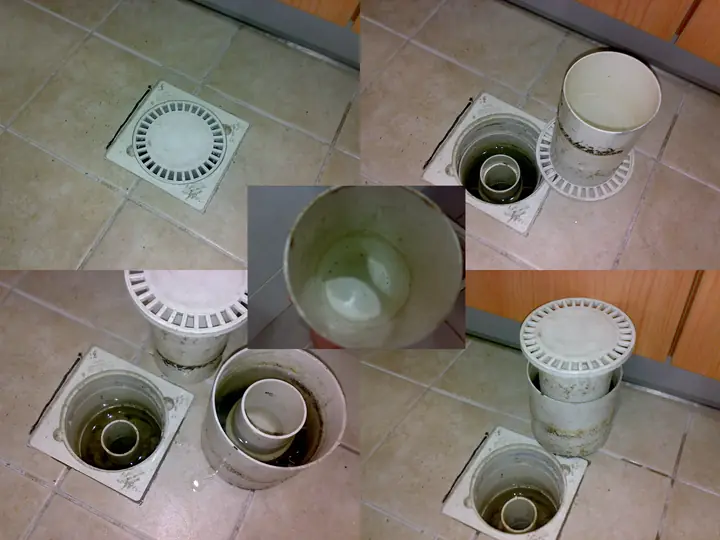
Two symptoms can require two responses. A drain can contain debris and also have a trap that dries during disuse. Clearing the debris addresses flow; checking the water seal addresses that potential odor route. If smells persist while flow is normal, the next visit should focus on the remaining source instead of automatically repeating the same clearing.
If a shared line was the cause, keep the record of the access used and material removed. The floor drain may have been only the escape point. Future maintenance should target the connected route that actually blocked, rather than schedule repeated cleaning at the most visible grate.
For a damaged or disconnected pipe, ask the repair proposal to identify the affected section and the basis for its location. Cleaning and repair can both be necessary, but each needs a clear purpose. A usable service record helps compare the next scope without confusing an open inlet with a repaired drainage system.